
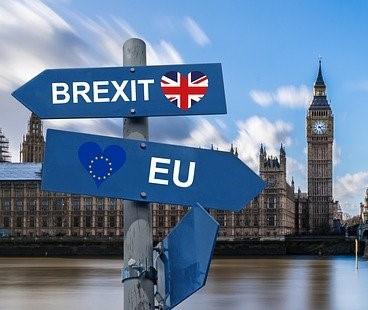
 Ten years after the UK voted to leave the European Union, the property industry remains divided over Brexit’s impact on the housing market.
Supporters argue that many of the challenges faced since the referendum have been driven by global events, including the pandemic, inflation and higher interest rates. Critics, however, contend that Brexit has weighed on economic growth, investment and consumer confidence, with knock-on effects for housing demand and development activity.
For estate agents, developers and investors, the question remains whether the market would be in a stronger position today had the UK remained in the EU. As the country marks a decade since the referendum, new research suggests many consumers believe Brexit has had a negative effect on housing.
Research from specialist mortgage lender Together found that half of Britons (50%) believe Brexit has harmed the UK housing market to some degree, compared with just 24% who think it has had a positive impact.
More than a quarter of respondents (28%) said Brexit had harmed the housing market “a lot”, while a further 22% believed it had harmed it “a little”. By contrast, only 9% said Brexit had significantly improved the housing market, with another 14% saying it had helped to a lesser extent.
The findings come amid ongoing affordability pressures, elevated borrowing costs and wider economic uncertainty, all of which continue to influence housing market sentiment.
Regional differences were also apparent. Respondents in Scotland were the most likely to believe Brexit had harmed the housing market significantly (47%), followed by those in the North East (37%) and North West of England (33%).
Meanwhile, Londoners were among the least likely to view Brexit positively, with just 19% believing it had helped the housing market, while the figure fell to 11% in the West Midlands.
Scott Clay, a director at Together, said: “Ten years after the Brexit vote, many consumers continue to associate the period with economic uncertainty, and that is often reflected in attitudes towards the housing market.
“While it’s difficult to isolate Brexit from other major events we’ve experienced over the past decade, including the pandemic, inflation surge and rapid increases in interest rates, and, more recently, tensions in Iran cooling buyer confidence – the reality for many households has been higher borrowing costs and greater affordability pressures over the past decade.
“In terms of development, Brexit introduced new trade barriers, supply chain friction – directly affecting the costs of new builds – and a reduction in EU construction workers. These factors, coupled with more recent increases in red tape, may have hampered the viability of many housing developments, with continued weak demand threatening the Government’s target of building 1.5 million homes by 2029. These findings highlight ongoing concerns related to economic stability and raise the issue of reduced consumer confidence and investment hesitancy in the housing sector.
“While overall UK property prices have remained relatively stable, defying doom predictions that the market would crash post-Brexit, London in particular has seen cooling due to a drop in international buyers and EU nationals. This has led many developers, investors and home buyers to look to the North and Midlands for better value.
“Over the last year, mortgage rates have become more stable and lenders are continuing to support borrowers with a wider range of flexible products. Ultimately, the long-term health of the housing market will depend on affordability, housing supply and economic confidence. Those are the factors that will have the greatest impact on homeownership opportunities over the next decade.”







Comments (6)
BillyTheFish is on the money.
Personally, business has been great for the past decade, so no complaints, but no there is need to hold a PhD in economics from LSE to realise the UK economy is taking an ongoing battering. It won’t effect the country’s cosmopolitan elite as much as societies least well off, but the UK is becoming poorer and has lost much of its influence/soft power. But quite frankly anyone who thought the game of trade negotiations of 70,000,000 people verses 453,000,000, that would benefit the 70,000,000 has their head in the clouds.
Wonderful blue passports.
However, it wasn’t about trade was it? It was about EU power. We left, and it was the best decision this country has ever made.
Here are the Brexiteer’s promises, led bravely into a future of dreams by the man of today – Farage (who also thought invading Iran was a good idea):
£350million a week for the NHS – complete lie
Immigration will fall significantly – quality EU workers stopped coming and illegal immigration increased now costing us £5bill a year. Not sure if that one has worked out
Trade will continue without friction – hahahahaha, seriously? UK economy took a 6% hit thanks to Brexit, costing UK businesses on avg just under £100k
Farmers will have the world as a customer – sold down the river by MPs
24% of those surveyed clearly have absolutely no idea what is going on. UK poll tracker currently has Deform at 27%, is there a connection???
Make Britain great again; rejoin EU for economic stability, start a wealth tax on assets over £10mill to bring in £15bill a year (cover imm igration costs and increase border control staff), start building social housing to tackle the housing crisis (£10bill a year over 10 years) and stimulate the economy at the same time, ban ultra processed food reducing the annnual £40bill diet related NHS costs & freeing up beds. Simple ideas that actually help people.
No point blaming Brexit. Covid and the printing of money has raised inflation, caused excessive borrowing and massive debt, which in turn has produced a large tax burden – including higher stamp duty, and the cost of living.
The £350m was paid into the NHS, and is clarified by a simple google search. They splashed it up the wall and asked for more. No EU directives since 2021 – fantastic. We don’t need duplicate governance although some people think “international law” and EU law is biblical. The UK will be great again once we have a Government that believes in it. It’s time we had one.
Labour said leaving the EU would mean a drop in house prices of 50%
LOL
It was 10 years agio
Get over it FFS
The tears of a Remainer taste ever so sweet. Still upset over losing a Democratic vote. Brexit would have been a roaring success had Treason May, Boris and the snivel serpents in Whitehall actually supported the vote. Instead they did all they could to ruin it.