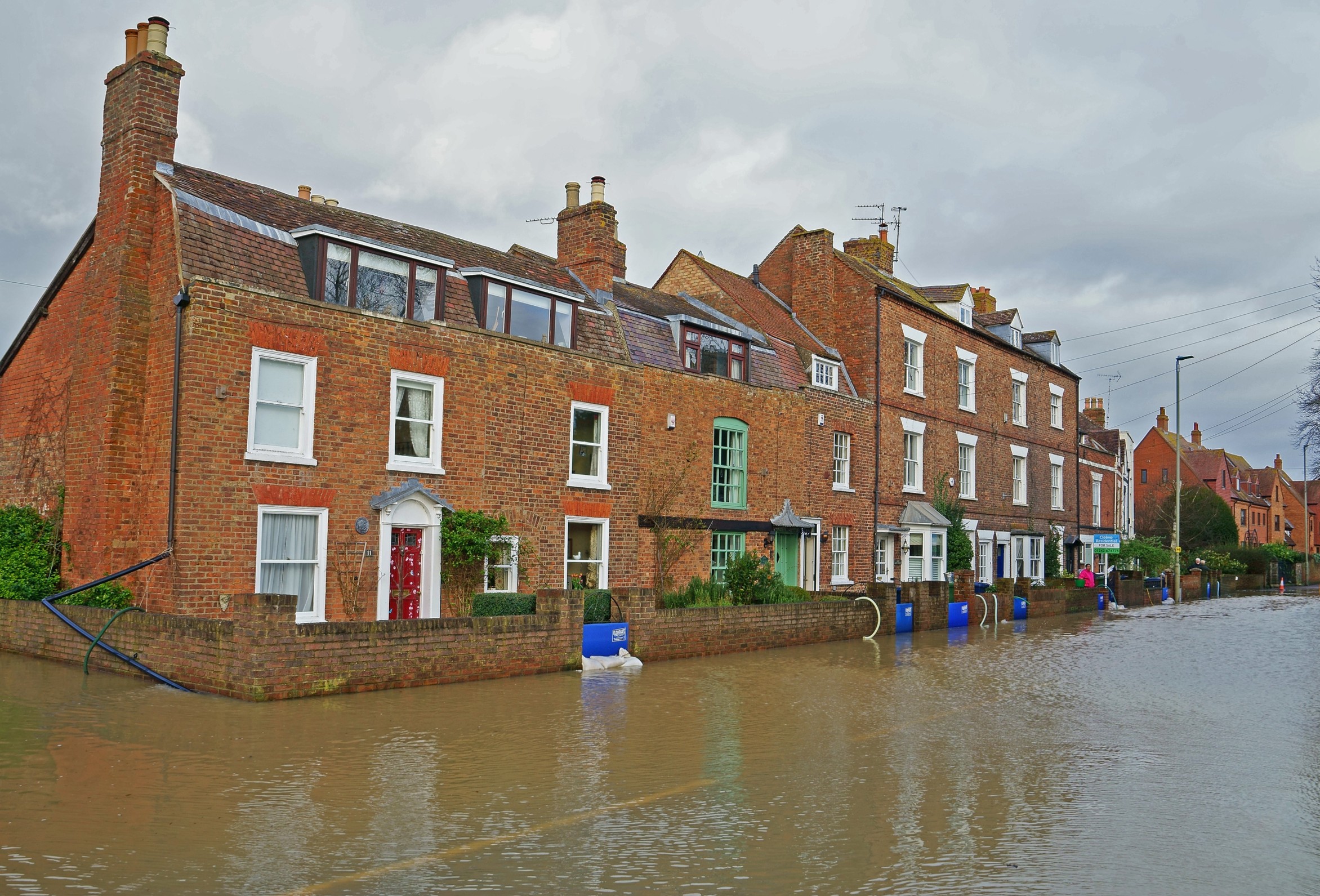
Estate agents, buyers and sellers could soon have access to a new property flood risk rating under government plans to introduce Flood Performance Certificates (FPCs).
Flood Re is developing the certificates with government support to provide a standardised assessment of a property’s flood risk and resilience.
Similar in concept to Energy Performance Certificates (EPCs), the certificates would give homeowners, buyers, insurers and mortgage lenders clearer information about flood exposure.
The move could affect property transactions, particularly in areas where flood risk influences buyer confidence, mortgage lending or insurance availability.
Flood Re will begin testing the certificates in England later this year, with further trials planned throughout 2027 and beyond.
The proposed system will assess factors including a property’s location, physical characteristics and resistance to flooding.
It will also identify improvements that could reduce damage, such as flood barriers, self-closing air bricks and water-resistant flooring.
Unlike existing flood risk searches, the new system would also recognise measures homeowners have already taken to protect their properties.
What could this mean for estate agents?
For agents marketing homes in flood-prone areas, the certificates could eventually provide a more consistent way to explain flood risk to prospective buyers.
They could also help sellers demonstrate improvements they have made to protect their properties.
However, the proposals raise questions about how flood ratings might influence buyer demand, property values and mortgage decisions.
A poor rating could become another consideration for buyers assessing a property’s suitability. Conversely, evidence of effective flood protection could provide reassurance.
The government has not announced whether it intends to make FPCs mandatory during property sales or lettings.
For now, the scheme remains at the pilot stage.
Insurers and lenders back proposals
The government hopes the certificates will encourage homeowners to invest in flood protection. It also wants insurers and lenders to recognise improvements when assessing property risk.
Perry Thomas, chief executive of Flood Re, said: “Flood Performance Certificates are about turning awareness into action. By helping people understand how resilient their home is, we can encourage greater investment in resilience and reduce the impact of flooding on homes across the UK.”
He added: “Over time, we want resilience improvements to be recognised and rewarded, helping create a future where access to affordable insurance increasingly reflects the actions people take to protect their homes.”
Aviva has also backed the proposals, warning that flood exposure could become a growing challenge for the property market.
Jason Storah, chief executive of UK and Ireland General Insurance at Aviva, said: “By 2050 a quarter of homes are likely to be at risk from flooding. Improving flood resilience of homes is critical, not only for our customers, but also for insurers, developers and lenders alike.”
He also highlighted the importance of maintaining affordable insurance, particularly for newer homes that fall outside the Flood Re scheme.
Robert Stevens, Nationwide’s head of property risk, said a standardised approach could improve decision-making across the housing market.
He commented: “Flood Performance Certificates have the potential to become a really valuable tool for homeowners, lenders and insurers by providing clear, consistent information about a property’s exposure to flood risk and the steps that can be taken to improve its resilience.”
Government wants homeowners to act
Floods Minister Emma Hardy said the certificates would give households clearer information about the risks facing their properties.
She commented: “Flooding is devastating for families and communities, and we need all households to know about their own flood risk and what can be done to reduce it.”
The initiative forms part of wider efforts to improve flood resilience and maintain access to insurance.
From April 2027, Flood Re plans to cut contents insurance premiums under its scheme for properties in Council Tax Bands A and B to £25.
The government says the change should particularly benefit lower-income households and renters, provided insurers pass on the savings.
The pilots will examine how homeowners, insurers and lenders assess, understand and use flood risk information.
Their findings will help determine whether FPCs could eventually become a recognised part of the wider property market.