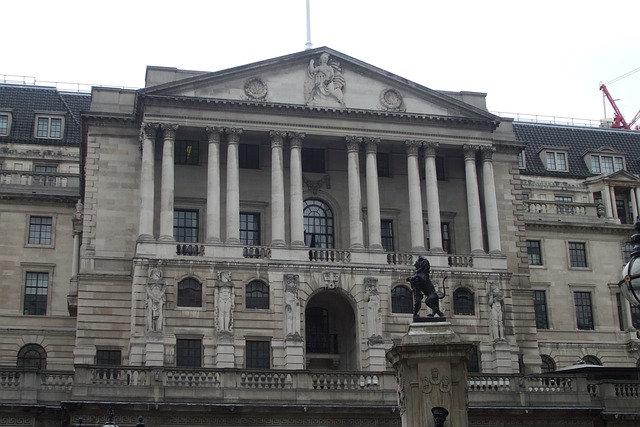
The Bank of England is widely expected to leave interest rates unchanged at 3.75% when policymakers announce their latest decision on Thursday, although rising geopolitical tensions are adding fresh uncertainty to the outlook.
Most economists expect the Bank’s nine-member Monetary Policy Committee (MPC) to vote to keep rates on hold, with several forecasting another 7-2 split in favour of maintaining the current Bank Rate.
The decision comes after inflation showed further signs of easing. Figures published by the Office for National Statistics last week showed the Consumer Prices Index (CPI) slowed to 2.6% in June – its lowest level for 15 months – helped by lower food and fuel price inflation.
The fall has eased some pressure on policymakers, who use interest rates to steer inflation towards the Bank’s 2% target. However, inflation is still expected to rise later this year.
The Bank has previously forecast CPI inflation could climb to around 3.25% as higher energy costs feed through to household bills, while renewed tensions in the Middle East have heightened concerns that inflationary pressures could persist.
Oil prices have risen sharply amid renewed conflict in the region, including attacks on shipping in the Red Sea and fears of supply disruption, increasing the risk of higher fuel and transport costs feeding into the wider economy.
Those developments have reinforced the Bank’s cautious approach and complicated what had been a growing expectation that rates would remain unchanged for the rest of the year.
Alongside Thursday’s interest rate decision, the MPC will publish its latest economic forecasts, with markets closely watching for any changes to its outlook for inflation, economic growth and the future path of borrowing costs.
The Bank’s Chief Economist, Huw Pill, has already warned that interest rates may need to rise over the coming year if inflation proves more persistent than expected.
Speaking to the BBC’s Walescast programme earlier this month, Pill said the “short answer is yes” when asked whether rates may need to increase over the next year.
He said he was concerned that demand in the economy had been outstripping the UK’s productive capacity, increasing the risk that inflationary pressures would remain elevated.
“I am concerned that we’ve been running the economy a little bit hotter than the supply side,” Pill said.
Pill was one of two members of the MPC to vote for an interest rate increase at the committee’s most recent meeting, while the remaining seven members backed leaving rates unchanged at 3.75%.
Property professionals will also be watching governor Andrew Bailey’s comments for clues on how the Bank views the inflation outlook and whether higher energy prices and geopolitical risks could delay future rate cuts.
The MPC is due to announce its latest interest rate decision on Thursday 30 July.