
A high number of would-be buyers in the UK do not think they will ever be able to afford to buy their own home due to record-high property prices and low availability of high loan-to-value mortgages.
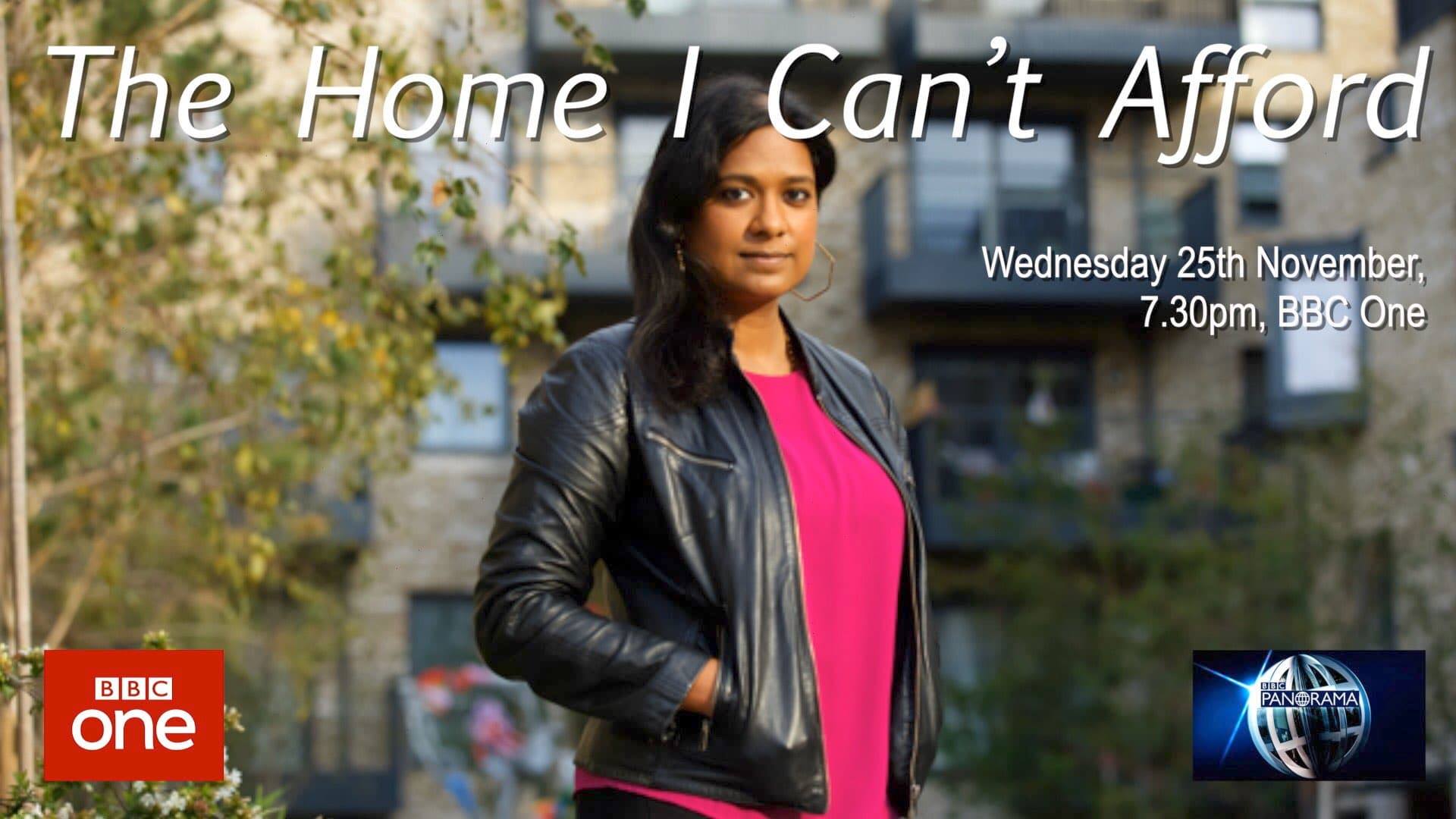
The government’s shared ownership scheme is designed to help get people on the housing ladder by letting them purchase part of their property and rent the rest.
But today’s Panorama show, ‘The home I can’t afford’, which will be aired on BBC One at 7.30pm, hears from shared owners who say uncapped service charges, building defects and costly lease extensions have left them stuck in homes with soaring costs and huge debts.
One purchaser of a new build home told the Panorama documentary that she was left with a £20,000 repair bill after acquiring what she claimed was a substandard property from L&Q.
It is not just large repair bills that can be a problem for those acquiring new build homes.
Panorama found shared owners are now struggling to keep up with increasing charges.
Ahead of today’s show, Katie Kendrick, founder of National Leasehold Campaign, said: “This is a very current topic because young first-time buyers are being lead to believe this is an ‘affordable’ way to purchase their dream home. However, for many it’s turning into a living nightmare.
“Many shared ownership tenants now face financial ruin due to the cladding scandal, being unprotected from building defects.
“The government is planning ‘reforms’ to the scheme in 2021 and have just launched yet another consultation on these reforms but as per experts and our campaign groups, These reforms are completely senseless and fail to address all that is already wrong with the Shared Ownership model.”
Martin Boyd, chair of trustees at the Leasehold Knowledge Partnership, pointed out that share ownership is often the only way that buyers can get on the housing ladder.
He commented: “As many people are finding out that step on the ladder can come at a very high price. The quality of homes is often not as good as they should be; the lease means they often face high levels of service charge for a poor-quality service; when they try to dispute these costs they often face a large landlord with access to unlimited resources in defending their position.
“With the cladding crisis, many shared ownership tenants now find themselves facing totally unaffordable costs, they are unable to sell their home to move on or change their mortgage or job. In some cases, shared owners face the prospect of being made bankrupt paying to fix the building defects caused by the developer. The shared ownership model needs to change.”





Comments (8)
Thanks Prachi,
I thought I am alone. From my own observation, its not true that these associations do not make money out of this. I have had bad experience myself with Guinness Housing Trust. I went and viewed the house and made an offer and the landlord accepted the offer. I went to process the mortgage and just as we were about to process the buying, I was told that the house has been given to someone who did not make any offer. By this time I had paid over a £1000 non refundable administrative charges. When asked why, they replied that they had they give houses based on the priority of needs. It was strange because they had sent me a form themselves to complete but to my surprise on that form I was forced to chose Metro bank for my mortgage purposes. These metro bank staff when she interviewed me she ended telling me that I should add £15000 on top of the deposit which was shown on the advert. This was very strange to me. If the shared ownership are meant to help people who have low income, what is the point of demanding £15000 more than the deposit that was required for the house. I concluded that Guinness Housing Trust is colluded with the Metro Bank. The main reason why we were refused to purchase the house is because of failure to pay this £15000 demanded by Metro Bank not because of our affordability.
Just last couple of weeks we found another house, we passed everything related to purchasing criteria including affordability. As we were waiting for Mortgage to be processed, Connells told us that we are no good enough to buy the house. So we have just pulled out. Both of these experiences have left us demotivated and we feel what the government is promising is contradictory to what us, poor people are experiencing in the housing market. The government need to intervene if it has to achieve its ambition of helping us the poor onto housing ladder.
Thanks
Hi Will,
I am afraid I disagree. If you buy an item from a shop it is the shops duty to give you the correct information that may be relevant to the product you are buying. If a defect is found or it turns out that the information on the packet was misleading you would return it. I have recently bought a new build through the Shared Ownership Scheme and so far I have had the following (In my opinion unfair changes)
1. Rent increased 10% in March. 1 week after moving in.
2. Service charge increased from £80 as stated in the information provided to my solicitor to £151. This happened to each of the tenants 1 week after they moved in with no correlation to the date they moved in.
3. The building did not have an EWS1 and has now been completely surrounded with scaffolding for months while builders remove bricks from the wall. We have received not one single communication from our Land Lord, managing Agent or any such company. Any information gathered has been by tenants/owners from builders standing on their balconies drilling holes in the wall at 7 in the morning.
4. An extra charge of £25 a month that only came to light when we had moved in for administration costs.
The combined service I have received from Clarion and KFH has been appalling. The quality of the home is actually reasonable but a two bed flat costing £405,000 you would certainly hope so!
The programme aims to highlight the the disgraceful abuse of power these companies have over people in their program. I am now left paying hundreds of pounds a month over what I expected with no choice. My dreams of laddering and buying more of the property are gone and I cannot even save money to sell.
There is zero accountability of the companies who claim to be helping people.
Hi Lewis
your solicitor is the advisor on things like mechanisms to increase rent. If you believe you are being overcharged you should take the matter to the first tier tribunal which is affordable and getting others to join in on the action makes it cheaper. The grenfell impact you have my every sympathy as it should never have happened. The government produce the building regs which should never have allowed flammable materials on the outside of a building. It seems the product manufacturers may be in serious trouble as it was reported the materials were not as specified. Truly appalling. I have had to take a freeholder to the FTT due to overcharging of insurance so I am not supportive of suspect freeholders. But caveat emptor applies which is why the solicitors are the people advising you. Fair reporting should be unbiased and that rarely happens nowadays but I agree some companies have less integrity than they should but I make no comment on the companies you mention. I agree you should not find yourself locked in. Kindest regards
PS. I do whole heartily agree that the leasehold system needs a serious update and ground rent should be a peppercorn and lease extensions need looking at. High Rise housing is plain bad news as maintenance cost are always going to be prohibitive. Gov and planners keep approving fundementally bad schemes with greedy developers not concerned about the future problems. I predict high rise is building future disasters for those who buy flats within them.
The program had a typical BBC slant. Grenfel has without doubt caused major problems locking in many people. Bleating that people were not advised about leasehold tenure surely falls to a purchasers adviser? Full payment of service charge is suspect if rent is charged at market rates an item not addressed in the Biased Broadcasting Corporation’s program. Changes in the personal circumstances affect all tenure owners. It is so sad a once trusted broadcaster has lost its traditional professionalism. Making biased programs does not do the bbc credit but like politicians I guess they have their own agenda or thrive on sensationalism.
Biggest scam with shared ownership is that the price paid for a percentage share is a rip off. You pay for a 50% share at for what is against a true market price probably around 70-75%. Then if you have to sell for a lower price (often inevitable) you have to swallow 100% of the loss. Given its meant to help those on lower incomes its a scam.
“Martin Boyd, chair of trustees at the Leasehold Knowledge Partnership, pointed out that share ownership is often the only way that buyers can get on the housing ladder.”
Or maybe look at lenders and their criteria’s, perhaps ‘ability to pay’ based on income / expenditure / past payment records for rent etc… rather than multiples.
I’m no mortgage guru, but…….
My daughter tried to buy shared ownership property via so resi agent but was refused by housing association twice after the finance procedure for the property was completed. No reason given ¡¡ I keep trying to help my son and daughter to get on to the property ladder via shared ownership but to no avail.