
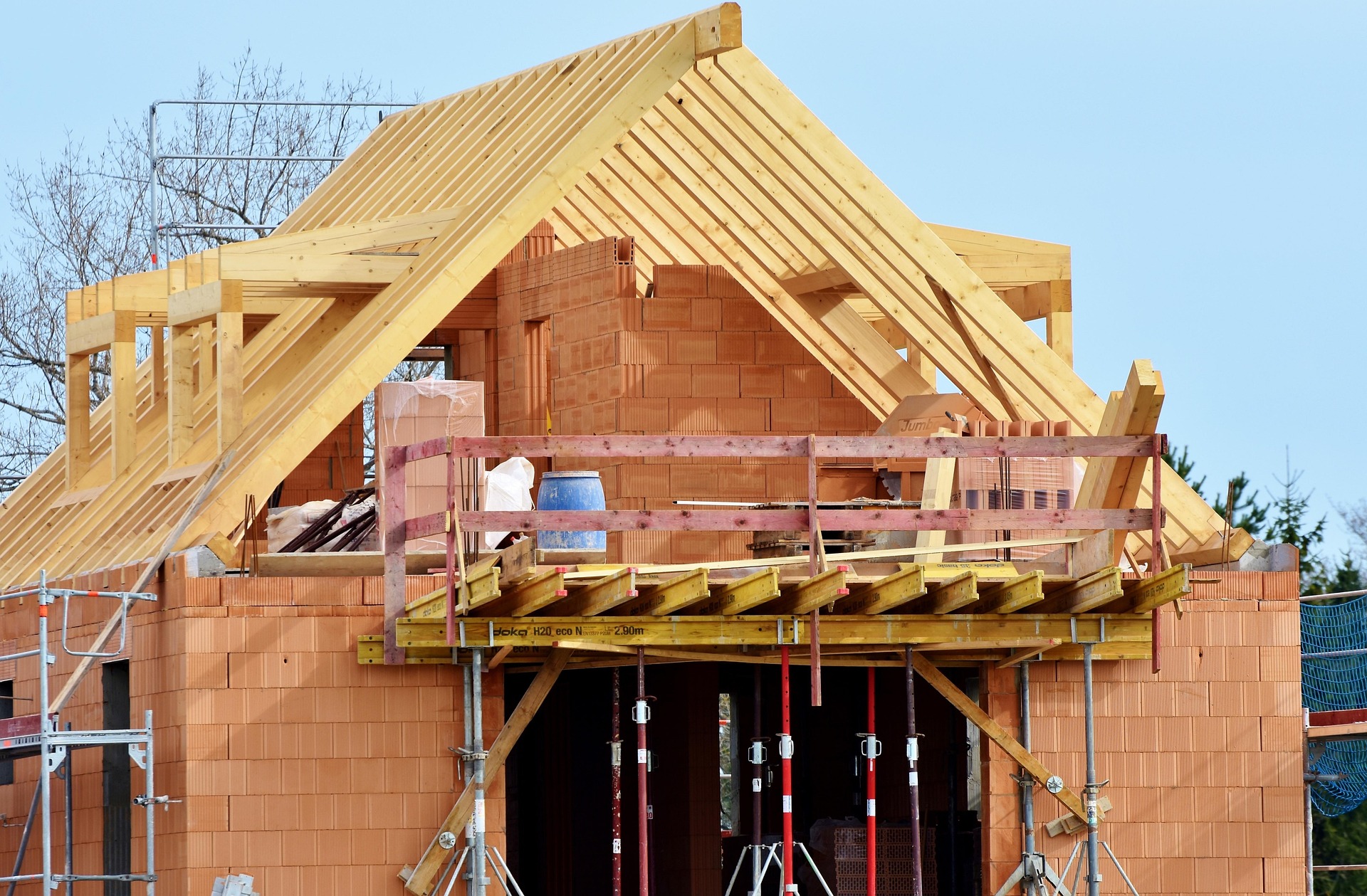
 Construction insolvencies increased year-on-year in July as the sector faced renewed cost pressures and uncertainty linked to the conflict in the Middle East.
There were 343 construction company insolvencies during the month, up 3.3% from 332 in July 2025, according to the latest company insolvency statistics.
Over the 12 months to July, construction recorded 3,841 insolvencies, the highest number of any sector and 17% of all insolvencies across the economy.
Specialised construction activities continued to account for more than half of the sector total in July, despite cases falling year-on-year.
There were 186 insolvencies in this category, down from 194 in July 2025, representing 54% of construction insolvencies during the month.
James Hawksworth, restructuring advisory partner at RSM UK, said: “Today’s figures shine a light on the construction sector’s diminishing capacity for resilience against economic headwinds.
“As an energy intensive industry, continued conflict and uncertainty in the Middle East is proving a significant blow for many construction businesses, delaying investment and driving prolonged cost pressures amid an uncertain economic outlook.
“With the number of winding up petitions issued across the sector in the first half of 2026 marking the second highest six-month period on record, these challenges will only exacerbate existing challenges, increasing the risk of a further rise in insolvencies.”
Hawksworth said smaller and more specialised construction firms were particularly vulnerable to price increases and project delays.
He added: “The government’s announcement this week of an updated National Planning Policy Framework is welcome, providing some much-needed clarity for the sector which could support the delivery of new homes and help to stimulate the market.
“However, the issue of project viability remains paramount. As increasing energy and material costs squeeze already tight margins, and long-term uncertainties over the wider economy subdue investment appetite, many construction businesses remain in urgent need of near-term relief and support to stay afloat across the coming months.”




Comments (1)
I am acutely aware of this, my builder being one of those insolvencies.
I’ve done a large new build and 4 top to bottom refurbishments and extensions for myself, so I think I’m pretty knowledgeable about the challenges, but there’s no accounting for the contractor suddenly going bust. You just don’t know what’s going on in their business. I checked what else he had on the go, one of which was a large G2 conversion with 16 flats, which looked like a great opportunity. But then the listings and conservation people got involved, causing significant delays, he could build only 14 flats, the valuations on his flats took a dive, and clock was ticking on his financing. That’s where his problems began and escalated very quickly. I only realised something was wrong when he wasn’t readily available and work slowed down on my project. Supposedly invoiced and paid for materials didn’t arrive, and people were being pulled off to go elsewhere (firefighting other projects!). He then buggered off to Australia with his family, stopped all communication, leaving everyone and everything up in the air, bills unpaid, people unpaid, etc…
I guess I was ‘lucky’ because I kept the same crew on and paid them direct, but it has cost me a lot more, and I don’t have any guarantees on workmanship. At least I’ve moved in, and they are snagging… for now.