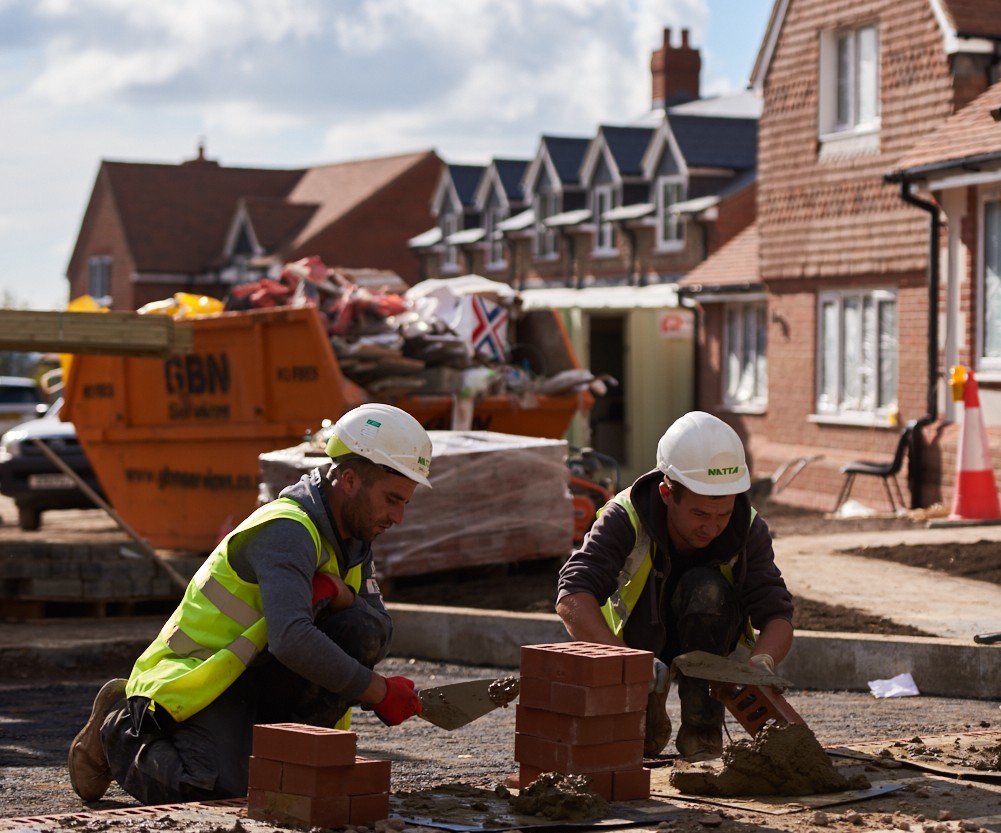
 Residential construction activity continued to decline in the latest data, with ongoing weakness in demand and persistent pressures on developers affecting new project starts.
Latest figures from Glenigan show residential project starts fell 8% during the latest index period, and were down 33% compared with the same period in 2025.
The data shows a sharper decline in the private housing sector, where starts fell 39% year-on-year and were down a further 9% on the previous three-month period. Social housing activity was comparatively more stable but still lower, with starts down 4% on the previous quarter and 16% year-on-year.
The Glenigan Index covers the three months to the end of April 2026 and includes underlying construction projects valued at up to £100m, unless otherwise stated. Figures are seasonally adjusted.
The report provides a snapshot of activity across the construction sector over the past 12 months and is used to track performance trends across the built environment industry.
The latest edition continues to show broad-based weakness across residential development, with external factors including ongoing geopolitical tensions contributing to disruption in supply chains and market conditions.
Glenigan’s economics director, Allan Wilen, commented: “Construction markets are becalmed. Faced with heighted geopolitical uncertainty generated by the Iran War, investors are reassessing their development plans. Whilst a rise in office, retail and health projects helped stabilise non-residential starts during the three months to April, both residential and civil engineering starts continued to decline.
“Parliament has now been prorogued and hopefully the King’s Speech, which comes after a successful State Visit to the United States, will provide an opportunity to reassess and reset the national direction.”
He cautions, “However, whatever the outcome of the coming weeks, there’s a general consensus that there will be fewer opportunities in the back half of this year, which also implies far fiercer competition. Savvy players will no doubt have strategies in place to capitalise on this risk and opportunity, and I’d urge those who are currently behind the curve to start seriously considering their own game plans and how they can stay afloat during an upcoming period of disruption.
“Niches, including data centres, purpose-built student accommodation and supermarkets, present pockets of growth and those than can either already service or diversify to meet requirements stand to weather the headwinds currently gathering force.”
Construction PMI signals a sector under strain as weak demand, rising costs and uncertainty bite, according to Atul Kariya, head of real estate and construction at MHA.
Kariya commented: “The construction PMI underlines a sector still being heavily squeezed by weak demand and renewed cost inflation, with rising energy prices due to the conflict in the Middle East adding fresh pressure to an already fragile situation. The decline is being felt across all subsectors with civil engineering facing the steepest decline followed by housebuilding. Housebuilders have been impacted as higher input costs hit supply chains just as buyer confidence and mortgage affordability come under strain. However, commercial work has been somewhat more resilient due to energy related activity but still faced the sharpest decline so far this year.