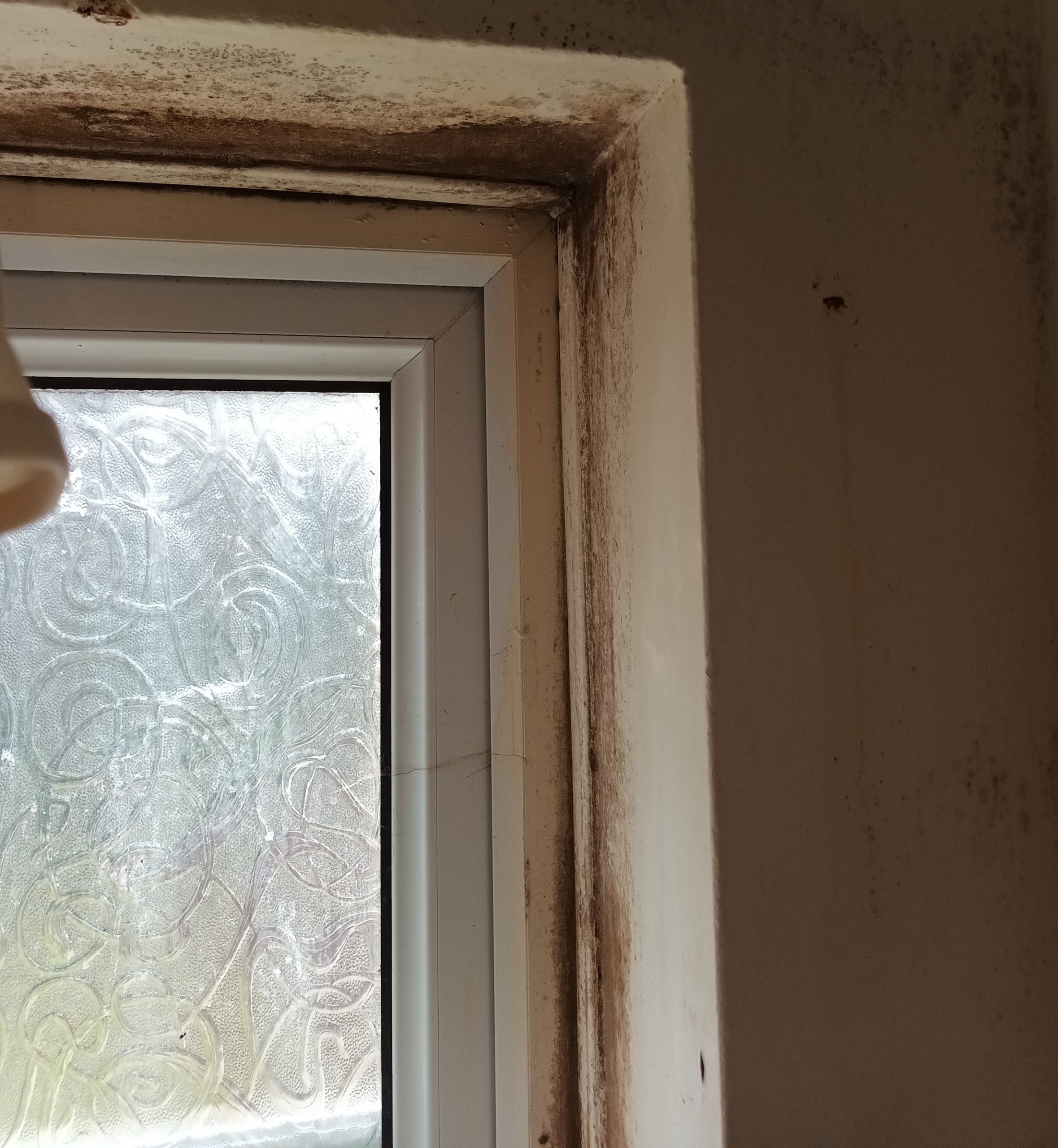
 Disrepair specialist, UK Academy of Mould Experts (UKAME), the national training and membership provider for mould remediation specialists, is warning social landlords not to underestimate the second phase of Awaab’s Law, which comes into force in England on 30 November 2026.
Awaab’s Law is a new law that came into force on 27 October 2025 and the Phase 2 commencement date was confirmed by the Ministry of Housing, Communities and Local Government on 13 July 2026, alongside updated guidance for social landlords.
From 30 November, the fixed investigation and repair timescales that have applied to damp and mould since October 2025 will extend to excess cold, excess heat, falls, structural collapse, fire and explosions, electrical hazards and domestic hygiene, wherever they present a significant risk of harm to a tenant.
The timescales themselves do not change. Emergency hazards must be investigated and made safe within 24 hours. Significant hazards must be investigated within 10 working days, with a written summary of findings given to the tenant within three working days of the investigation concluding and relevant safety work completed within five working days.
UKAME is highlighting the timing of the start date and the likely consequence of it.
Excess cold reports rise sharply once the heating season begins, and the same cold weather drives the condensation that produces the winter peak in damp and mould reports. Landlords will not get a quiet settling-in period: the first statutory cases under the expanded law are likely to land immediately.
Tristan Hemsley, specialist disrepair and Awaab’s Law consultant, said: “Phase 1 asked social landlords to hit statutory deadlines on a single hazard group, and good organisations still found the timescales demanding.
“Phase 2 applies the same clock to excess cold, fire, electrical hazards, falls and more, and it does so at the start of winter. A faulty boiler reported on 30 November could need to be treated as an emergency hazard under Phase 2, particularly if a resident is vulnerable, which means the landlord must investigate and make safe within 24 hours.
“The landlords that succeed will be the ones that use the next four months well: updating their triage process and systems so reports of the new hazard types are recognised and escalated, tightening contractor arrangements, and training every person who owns the deadlines. Housing officers, surveyors, repairs teams and contractors are all on the Awaab’s Law clock the moment a report lands.
“The scale of the task is significant. In the most recent English Housing Survey, 7% of social rented homes in England had a problem with damp, and Category 1 hazards were present in 4% of social rented dwellings. Under Phase 2, hazard categories that make up a large share of a typical responsive repairs workload come under statutory deadlines for the first time.”
UKAME recommends social landlords focus on four key areas before 30 November:
- Re-run triage and reporting routes. The clock starts when anyone in the organisation, or an estate agent acting for it, becomes aware of a potential hazard. Reporting and escalation routes need to recognise the new hazard types.
- Update records on tenants and homes. The tests for significant and emergency hazards turn on what the landlord knows, or reasonably ought to know, about the occupier’s health and circumstances.
- Review contractor arrangements. The guidance expects processes that ensure issues raised with contractors reach the landlord, and that works can begin within the deadlines.
- Train the people who own the deadlines. Frontline staff and contractors need to recognise the hazards in scope and understand the timescales before the first winter reports arrive.
Tom Colgan, CEO at UKAME, said: “Damp and mould do not leave the picture in Phase 2. They remain fully in scope, and winter is exactly when condensation and mould problems multiply, so landlords face the new hazard duties and their busiest damp and mould season at the same time.
“Our message to social landlords is simple: make best use of the months you have to prepare. The guidance is published, the date is fixed, and there is still time to be ready.”