 Energy efficiency is becoming a bigger factor in property searches, with 63% of movers wanting homes that generate most or all of their own energy.
New research from Rightmove also shows that 53% have become more interested in solar panels and battery storage following recent energy price rises.
However, just 8% of respondents would prefer to remain fully reliant on the national grid.
The findings come from Rightmove’s 2026 Greener Homes Report, which examines changing buyer priorities and the energy performance of UK housing.
For estate agents, the figures suggest running costs and energy-saving features could play a growing role in marketing homes.
Demand for solar panels and heat pumps rises
Rightmove’s analysis shows a sharp increase in listings mentioning energy-saving technology.
Since 2022, references to heat pumps in newly listed homes have jumped 151%. Meanwhile, mentions of solar panels have increased by 94%.
However, these features remain more common among higher-priced properties.
Homes advertised with heat pumps have an average asking price of £545,220. Properties mentioning solar panels average £412,901.
Both exceed the national average asking price of £367,440.
The findings suggest that buyers seeking greater energy independence may face a significant price premium.
Hotter summers change buyer priorities
Meanwhile, rising summer temperatures are influencing what buyers want from their next home.
Some 87% of respondents consider a property’s ability to stay cool important. Yet 45% say their current home struggles during hot weather.
Consequently, searches for properties with air conditioning rose by 104% this summer compared with the same period last year.
However, homes advertised with air conditioning have an average asking price of £947,509.
That is more than two-and-a-half times the national average.
EPC ratings reveal major running-cost differences
Rightmove’s Energy Bills Tracker highlights the potential savings associated with more efficient homes.
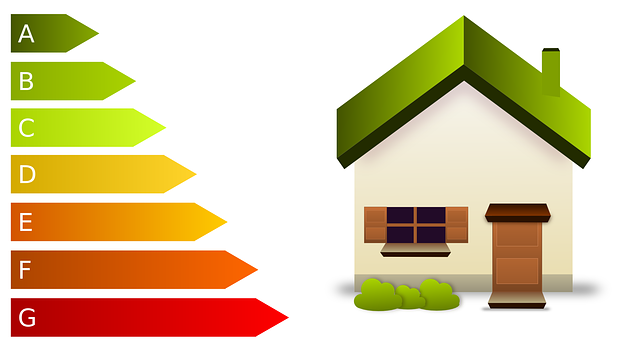
An EPC A-rated property has estimated annual energy bills of £706. By comparison, the average across all homes is £2,337.
At the other end of the scale, an EPC G-rated home faces estimated annual bills of £6,379.
Meanwhile, the proportion of homes meeting EPC C or above has increased over the past five years.
Among properties for sale, the figure has risen from 40% to 49%. In the rental market, it has increased from 52% to 61%.
New-build homes outperform resale properties
The research also reveals a substantial energy-efficiency gap between new-build and existing homes.
Some 89% of new-build properties achieve EPC ratings of A or B. By comparison, just 6% of resale homes meet that standard.
Almost a quarter of new-build homes achieve an EPC A rating, against just 1% of resale properties.
Wales leads for EPC A-rated new-build homes at 54%, followed by the North East at 44%.
The East Midlands ranks third at 31%.
However, improving the energy performance of existing housing remains a challenge.
While 74% of movers want more support for energy-efficiency improvements, only 5% of homeowners currently prioritise such work.
Cost remains a barrier
Colleen Babcock, Rightmove’s property expert, said households were increasingly interested in controlling their energy consumption.
“We’re seeing growing interest in homes that give people more control over how their energy is generated, stored and used.”
She added that years of volatile energy prices had encouraged households to consider reducing their reliance on the grid.
However, Babcock warned that the cost of improvements remained a major obstacle.
“The challenge is that many of the improvements needed to make Britan’s homes more energy efficient and climate resilient remain out of reach for a large proportion of households.”
Greg Jackson, founder and chief executive of Octopus Energy, said demand for heat pumps had doubled at his company.
He also reported increased interest in solar technology and electric vehicles.
Meanwhile, Brody Isaac, head of sustainability at The Hill Group, said developers must increasingly consider overheating risks alongside energy efficiency.
The findings point to a changing set of priorities for estate agents. Alongside location and asking price, buyers are placing greater emphasis on energy bills, property performance and summer comfort.
Rightmove’s fifth annual Greener Homes Report draws on more than 17 million EPC certificates and almost 30 million property listings. It also includes feedback from more than 1,000 consumers and landlords.