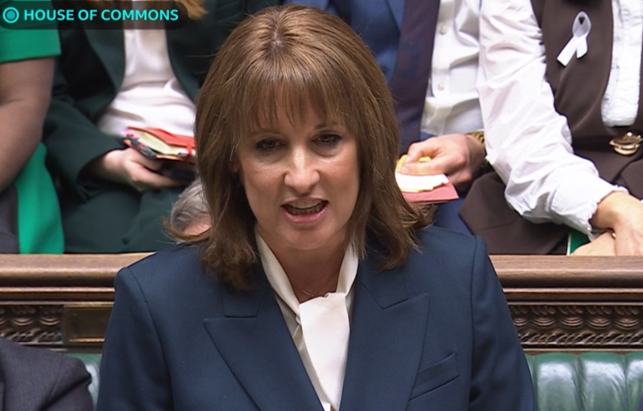
Agents have raised concerns over reports that Rachel Reeves is considering introducing rent controls, including a possible rent freeze in England, as part of efforts to ease pressure on household finances.
The proposals, first reported in The Guardian on Monday, are understood to be under discussion within government in response to the economic impact of conflict in the Middle East, with rising energy costs and inflation expected to feed through to rents and mortgage payments.
Industry figures said the prospect of intervention in the rental market has caused concern among agents, who warn that measures such as rent freezes could affect supply and investment in the private rented sector if implemented.
Timothy Douglas, head of policy and campaigns at Propertymark, commented: “With the UK government introducing huge regulatory change through the Renters’ Rights Act, which will ultimately mean less flexibility and higher costs for landlords and tenants, it is alarming to hear reports that the Chancellor is considering additional rent control measures – particularly when Housing Ministers have recently publicly denounced their role.
Timothy Douglas
“Evidence from across the UK, particularly in Scotland, shows rent controls restrict supply, deter investment, and reduce choice for tenants. Singling out landlords to solve the cost of living is not the answer.
“Rent controls risk distorting the market and undermining investment at a time when demand already far outstrips supply.
“If the UK government is serious about improving affordability, it must focus on increasing housing supply and supporting long-term investment in the private rented sector, rather than introducing measures that will ultimately make it harder for renters to find a home.”
There are concerns that even a short-term rent freeze, combined with the Renters’ Rights Act 2025, could prompt more landlords to exit the market.
Helen Bell, partner and head of litigation and dispute resolution at Mayo Wynne Baxter, commented: “Whilst it is right that the government should be thinking about how it can protect households from the ever-rising costs of living, landlords must really feel they’re taking a battering at the moment with the news that the chancellor is considering a rent freeze on private rentals.
“The recent Renters’ Rights Act abolishes no fault evictions with effect from 1 May 2026 and also provides a mechanism to regulate rent increases.
“These changes have been trialled for a long time and have encouraged some landlords to get out of the market, thus reducing the properties available in the private sector.”
Bell said efforts to prevent landlords from imposing above-market rent increases – potentially to force tenants out- are “laudable”, but noted that it is less widely understood that tenants can already challenge proposed increases by referring them to a tribunal for determination.
She added: “The rent increase will only come into effect on a date determined by the tribunal and not the date of the notice.
“With the existing backlog in the tribunal, landlords could easily be waiting for six months to a year or more for the increase to take effect.
“If the government now imposes an additional burden on the landlord’s ability to collect rent, which is already limited by the Renters’ Rights Act, this could potentially see more landlords leave the market.
“This would reduce the rental properties available, and that in itself could drive rent increases. In other words, having the opposite effect of what the chancellor is hoping to achieve.”
Oli Sherlock, managing director, insurance at Goodlord, fears further uncertainty in the sector as a result of this latest speculation.
Sherlock said: “Floating the idea of a blanket rent freeze on top of the Renters’ Rights Act feels like policy duplication at best, and outright confusion at worst. At a time when landlords, agents and tenants are trying to prepare for the biggest legislative shift in decades, this kind of political “kite-flying” is deeply unhelpful.
“More fundamentally, the evidence on rent controls over the medium to long term is pretty clear. They tend to reduce supply, distort the market, and ultimately make things worse for the very tenants they’re supposed to protect.
“If the goal is to improve affordability and stability in the private rented sector, we need clarity and consistency; not overlapping interventions that risk undermining confidence just as the sector is adjusting to major reform.”
Following yesterday’s news, we received four new landlord instructions to serve nine Section 21 notices submitted just in time ahead of the Renters Reform Act coming into force. This kind of reaction says a lot about the impact of such policy changes.
M
MrManyUnits5 months ago
According to yesterday’s Financial Times this was considered by RR and thrown out but hey it makes good clickbait. I imagine many more section 20 notices will be issued today.
Get your free daily news email from
EYE
Enter your email below to receive the latest news each morning direct to your inbox.


 Bell said efforts to prevent landlords from imposing above-market rent increases – potentially to force tenants out- are “laudable”, but noted that it is less widely understood that tenants can already challenge proposed increases by referring them to a tribunal for determination.







Comments (2)
Following yesterday’s news, we received four new landlord instructions to serve nine Section 21 notices submitted just in time ahead of the Renters Reform Act coming into force. This kind of reaction says a lot about the impact of such policy changes.
According to yesterday’s Financial Times this was considered by RR and thrown out but hey it makes good clickbait. I imagine many more section 20 notices will be issued today.