



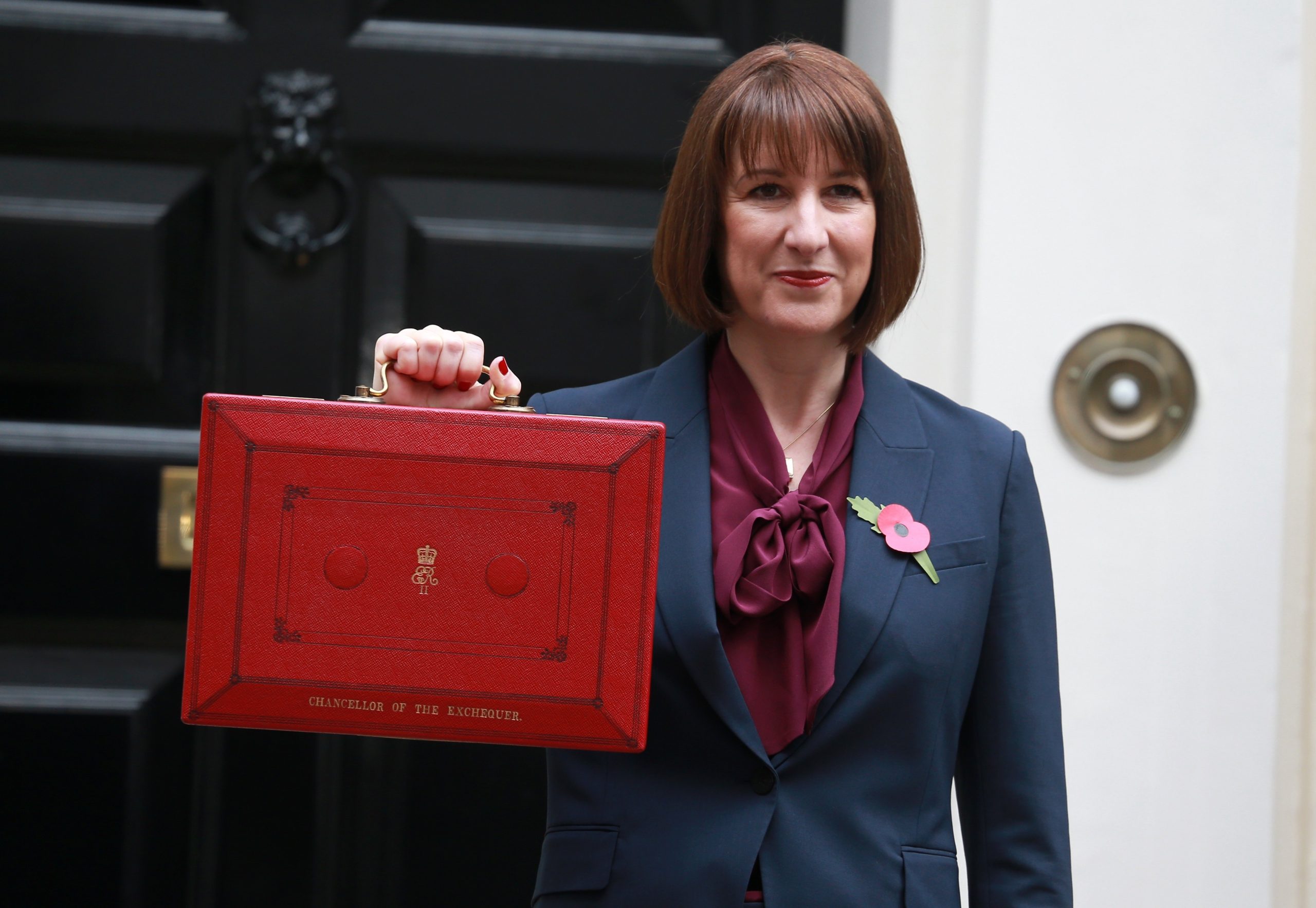
The chancellor has said she intends to reserve major announcements, like tax increases, for the Autumn Budget with the Statement serving as an economic update. Hopefully, this will ease pre-event hypothesising and reduce negative shockwaves for construction.
However, the government is not off the hook, according to Dr David Crosthwaite, chief economist at BCIS.
He said: “The Spring Statement period offers an opportunity to give construction businesses and project stakeholders clear, credible signals.
“An update on the Infrastructure Pipeline would be a good place to start. The next iteration was due in January, yet no further details have been provided.
He continued: “The government’s private finance strategy is also overdue and could give construction businesses greater clarity on when projects are likely to come to market, and the level of investment required in skills, technology and capacity to meet demand.
“A refreshed housing strategy would be welcome too. Housebuilding output has been sluggish amid affordability challenges and demand constraints.
“Targeted support for first-time buyers appears to be the most immediate lever available.
“Given it is highly unlikely the government will reverse its tax policies in the Statement to reduce business costs, the focus must shift to restoring pipeline visibility and stimulating real demand.
“Get those right and investment should follow. Without them, confidence may falter and construction output and wider growth will likely remain subdued.”
The Spring Statement will be a ‘confidence moment’, says Adrian Moloney, group lending distribution director at OSB Group.
He commented: “The Spring Statement should be viewed as a temperature check on the economy rather than a trigger for housing policy change. We do not expect significant new interventions for the property market, and the more meaningful impact will be how convincingly the Chancellor reassures markets on inflation, borrowing and fiscal credibility.
“For consumers, what really matters isn’t a headline in Parliament, it’s what happens in the markets afterwards. Mortgage rates are shaped by inflation expectations and swap markets, not political soundbites. If the Statement helps strengthen confidence that inflation is continuing to ease, we’re likely to see a more supportive pricing environment filter through for borrowers, particularly those looking to remortgage this year.
“For brokers, stability is valuable. When funding markets are calmer, lenders can price and plan with more certainty, which usually means fewer abrupt product changes and a more predictable advice landscape. That makes it easier to guide clients through decisions, especially in the specialist space where circumstances can be more complex.
“For landlords, the current challenges are well documented. Our latest Landlord Leaders research shows rising mortgage costs, compliance pressures and tenant affordability remain front of mind. The Spring Statement is unlikely to change that overnight. But if it helps steady expectations around interest rates and borrowing costs, that could ease some refinancing pressure and support longer-term confidence in the sector.
“Ultimately, this isn’t a housing policy moment, it’s a confidence moment. And in lending, confidence is often what moves the dial.”