
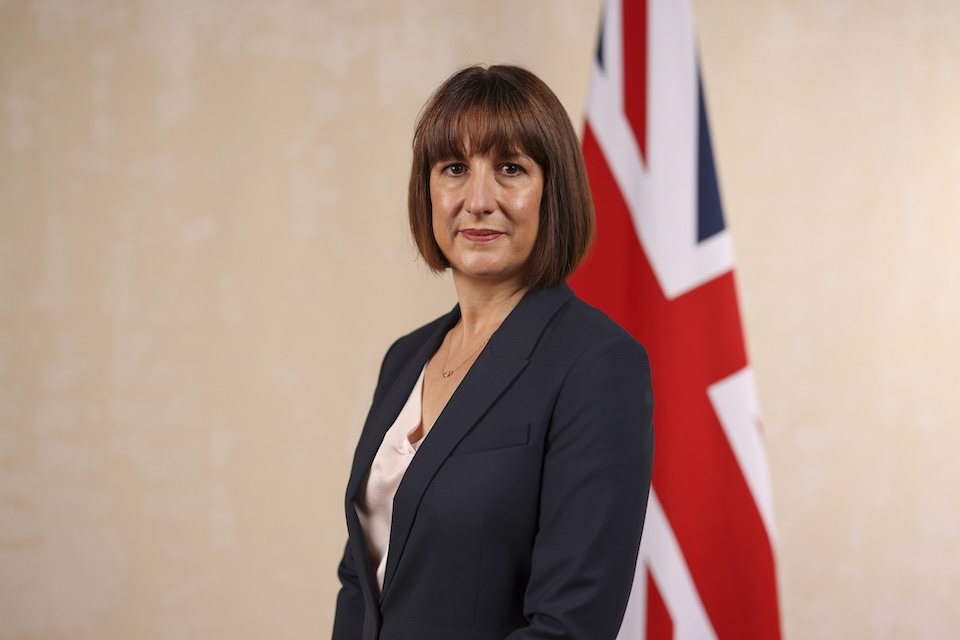
A cross-party committee of MPs has called on chancellor Rachel Reeves to review the future of stamp duty, arguing that the tax is undermining housing affordability, restricting market activity and harming economic growth.
In a new report on housing affordability, the Housing, Communities and Local Government Committee said that while stamp duty remains an important source of Treasury revenue, it should not continue in its current form. The committee warned that the tax acts as a barrier to homeownership and reduces mobility within the housing market.
MPs have urged the government to launch a consultation before the end of the year to examine alternatives, including a revenue-neutral replacement or reforms designed to stimulate property transactions.
The committee also suggested reviewing existing thresholds, bands and reliefs to better reflect local housing markets and support wider housing objectives.The report adds to growing calls from across the property sector for changes to stamp duty amid concerns that the tax is discouraging buyers and sellers from moving.
Eshalomi said: “Rates of home ownership in England have declined over the last 20 years.
“For many people, and especially for those unable to draw upon the Bank of Mum and Dad, the prospect of owning a home is little more than a pipe dream.
“Reform of stamp duty is necessary but, especially given the public finance implications, this cannot be done in isolation or without a credible alternative in place.
“We urge the Ministry of Housing, Communities, and Local Government and HM Treasury to consult on alternatives to stamp duty that can deliver long-term benefit and not a short-term fix which only distorts the housing market and exacerbates the affordability problem.”
MPs also called for any review of stamp duty to be considered alongside wider reforms to property taxes, including council tax.
The committee warned against temporary tax incentives, arguing that any changes should be designed for the long-term to avoid distorting the housing market. It pointed to the pandemic-era stamp duty holidays, which helped fuel house price growth before demand weakened when the relief ended in April 2025.







Comments (2)
Imagine that…
A tax that does affect nearly everyone, but one of the very few that affects rich people slightly more than us normies.
Shocked! Shocked I tell ya!
Don’t scrap it. Make the bottom end cheaper and the top end more expensive. Trickle down economics has been unequivocally proved to favour the wealthy, not the poor. Anyone who thinks otherwise isn’t looking at the correct information.
Use the tax money raised to improve the roads, our schools, the NHS, and etcetera!
Another socialist full of envy
ZZZZZZZZZZZZZZZZZZZZ