



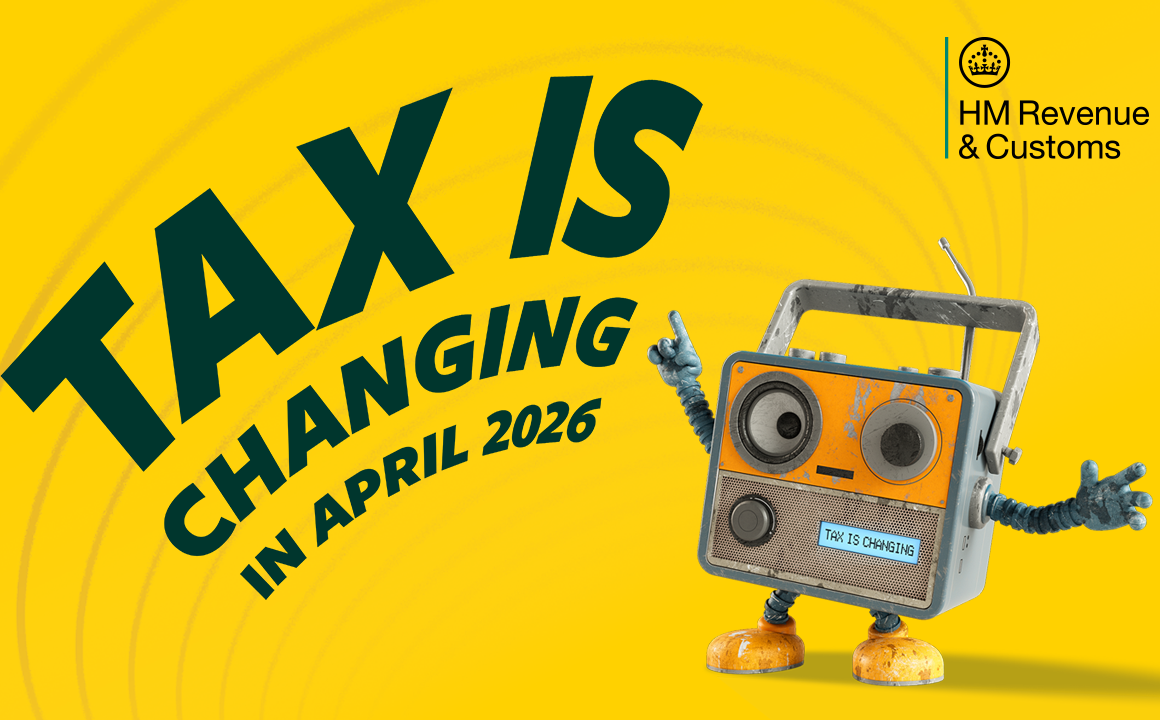
 More than a quarter of a million landlords and property professionals are facing a major shift in how they report their finances, with new digital tax rules fast approaching.
From April 2026, anyone earning over £50,000 from property or self-employment will be required to comply with Making Tax Digital (MTD) for Income Tax – bringing stricter reporting requirements and a move away from traditional annual returns.
While initial figures highlight around 125,000 landlords and sole traders in the real estate sector, the true scale is significantly larger. HMRC estimates that as many as 259,000 individuals with property income will be affected, including those whose primary work lies outside real estate but who also earn rental income.

Most customers will receive a letter from HMRC confirming they need to join, which also explains what they need to do and includes a QR code linking to GOV.UK guidance.
Craig Ogilvie, HMRC’s director of Making Tax Digital, said: “MTD for Income Tax is a generational change and support is there for everyone who needs it.
“The quarterly updates aren’t tax returns – they’re simple summaries your software auto-populates, spreading the admin throughout the year, rather than leaving it all towards the JanuarySelf Assessment deadline.
“Go to GOV.UK – choose your software, read the guidance and get ready now.”
About 100,000 sole traders and landlords have already signed up for MTD for Income Tax, with more than 15,000 quarterly updates successfully submitted through a voluntary testing programme.
For most, the first quarterly update under MTD for Income Tax will cover the period from 6 April to 5 July 2026 and will need to be submitted by 7 August 2026.
A new points-based system for late submissions applies, where a £200 fine is only triggered once four points are reached, meaning the occasional slip-up will not result in an immediate fine. No penalty points will be issued for late quarterly updates for the 2026 to 2027 tax year – though points will still apply to late tax returns.
Free software options are available, with a range of paid packages also on offer to suit different needs. Once all your digital records of income and expenses have been created, the software will use them to generate your quarterly update.
Those joining MTD for Income Tax in April 2026 will still file their Self Assessment return for the 2025 to 2026 tax year in the usual way by 31 January 2027. The first tax return that most customers will submit using their MTD compatible software, covering 2026 to 2027, will be due by 31 January 2028.
People with a tax agent should speak to them about preparing. HMRC’s research shows awareness among the agent community is 99.6% and agents represent around two-thirds of the customers in scope for MTD for 2026 to 2027.
HMRC is urging anyone else in scope of MTD for Income Tax to act now: read the guidance, choose software and sign up on GOV.UK. Those who genuinely cannot use digital tools can apply for an exemption.