



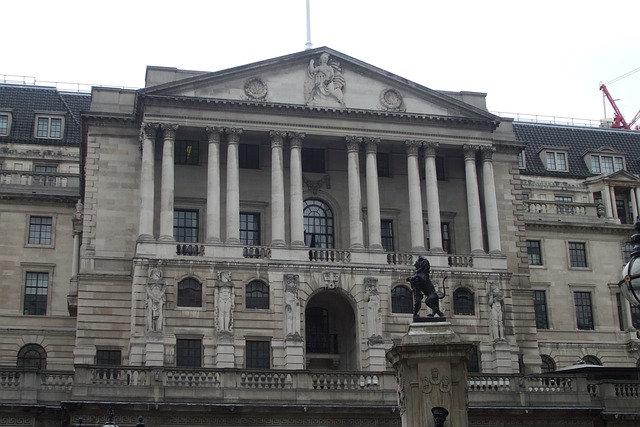
 UK inflation fell to a 10-month low in January, largely due to lower food and gas prices, official figures showed on Wednesday, reinforcing expectations of a Bank of England rate cut in March.
The Office for National Statistics reported that the Consumer Prices Index (CPI) rose 3% year on year, down from 3.4% in December.
The decline matched analysts’ forecasts and suggests inflation is on track to return to the Bank of England’s 2% target in the coming months. At its most recent meeting, the Bank kept the main interest rate at 3.75% and said it expected inflation to reach its target by April.
Caitlyn Eastell, personal finance analyst at Moneyfactscompare, said: “More recently, swap rates have hit 30-day lows following the latest unemployment stats which means we may see lenders beginning to make rate cuts in the next few weeks. Pair this with cooling inflation and the Bank of England could move towards a base rate cut. This would be welcome news for borrowers, as it could encourage lenders to reduce interest rates on their borrowing, which could give borrowers a much-needed confidence boost.”
Hina Bhudia, partner, Knight Frank Finance, concurred: “The combination of softer inflation data and weak jobs figures yesterday raises the likelihood of two rate cuts this year. Leading fixed rates have remained steady in the past four weeks and there has been considerable jostling for position in the middle of the market. We think this week’s figures will pave the way for fixed rates to ease further in the coming month leading up to the next interest rate decision on March 19th.”
Rightmove data
New analysis from Rightmove reveals that the national average monthly mortgage payment is £1,592 in January, £119 lower than at the same time last year.
Rightmove’s analysis uses its daily mortgage rate data and property asking price data to calculate residential mortgage payments.
Mortgage payments are based on average two-year fixed rates with a circa £999 fee and based on 95% of the mortgage market to exclude specialist lending. The calculations assume buyers have a 20% deposit and spread the cost of their mortgage over 25 years.
The average two-year fixed mortgage rate was 4.23% in January, down from 4.99% in January 2025. Meanwhile, national average asking prices were only up by 0.5% year-on-year, standing at £368,031 in January.
London buyers have seen the biggest year-on-year drops in monthly mortgage payments of £207. This is because homes are more expensive in London, making proportional mortgage rate drops result in higher cash savings.
New buyers in the North East will see the least benefit from lower mortgage rates compared to purchasing last year.
| Area | Average asking price Jan 2026 | Average monthly mortgage payment Jan 2026 | Change in average mortgage payment year-on-year |
| East Midlands | £280,598 | £1,214 | -£100 |
| East of England | £412,555 | £1,784 | -£149 |
| London | £679,782 | £2,940 | -£207 |
| North East | £197,264 | £853 | -£38 |
| North West | £266,463 | £1,152 | -£58 |
| Scotland | £187,139 | £809 | -£51 |
| South East | £462,319 | £2,000 | -£195 |
| South West | £369,713 | £1,599 | -£135 |
| Wales | £258,194 | £1,117 | -£109 |
| West Midlands | £291,422 | £1,260 | -£86 |
| Yorkshire and The Humber | £248,821 | £1,076 | -£71 |
Meanwhile, the average remortgage rate in January is 4.32%, down from 5.14% last year. Meanwhile, the average buy-to-let mortgage rate is 4.84%, down from 5.51% last year.
The average remortgage rate is based on a two-year fixed rate with a circa £999 fee, and the average buy-to-let mortgage rate is based on a 2-year fixed rate with a 25% deposit and no fee.
Matt Smith, Rightmove’s mortgage specialist, said: “We saw some headline grabbing low mortgage rates being offered by lenders at the end of 2025 and into January, which saw average rates drop to their lowest level since before the mini-Budget. Since then, rates have stabilised and even ticked up marginally in places as the cost of funding mortgages has become more expensive, due to global and domestic economic events.”

Comments are closed.