
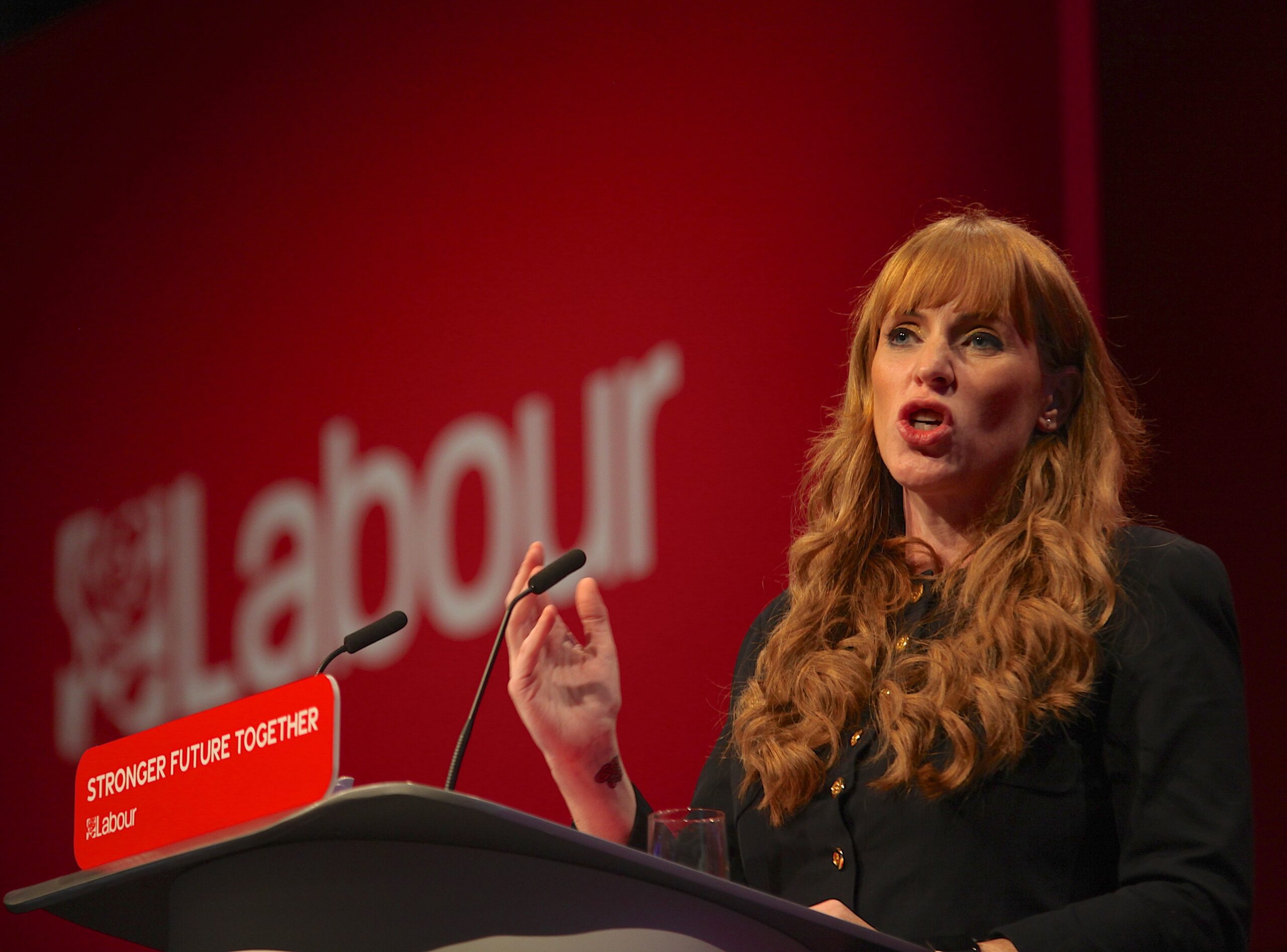
Housing secretary Angela Rayner is facing growing pressure to reverse her opposition to rent controls, with dozens of MPs reportedly urging the government to change course.
A letter organised by Labour MP Chris Hinchliff has so far been signed by 26 MPs, predominantly Labour members but also Green MPs and Jeremy Corbyn. It calls on ministers to introduce rent controls to tackle affordability pressures in the private rented sector.
Rayner ruled out the policy last month, arguing that rent controls had not necessarily reduced rents elsewhere and that the Renters’ Rights Act offered tenants greater protection against excessive increases. The government has reiterated that it has “no plans to introduce rent controls”, which is welcome news as far as the Institute for Fiscal Studies (IFS) is concerned.
Introducing rent controls in the UK could push down house prices and reduce the supply of homes available to tenants, new analysis from the IFS warns.
The think tank said measures limiting how much landlords can increase rents could benefit existing tenants in the short term. However, it warned that the policy could encourage landlords to sell and shrink the private rented sector.
IFS economists Matthew Oulton and Tom Wernham said international evidence suggests rent controls can reduce both the supply and quality of rental housing.
“Alongside reducing the supply of rental properties, rent controls often result in a reduction in the sale price of properties,” they said.
An increase in landlords selling could potentially help some tenants move into homeownership if falling prices make properties more affordable.
However, the IFS cautioned that many renters would still lack the income or deposit required to buy.
“There is clear evidence from a range of housing markets that, in practice, rent controls reduce supply,” Oulton and Wernham said.
Kristine Ng, partner at Morr & Co, said the IFS has highlighted a concern that many landlords, investors and property professionals will recognise: if returns become increasingly restricted, investment is likely to move elsewhere.
Ng said: “Whilst rent controls may provide greater certainty and short-term protection for tenants, they also risk discouraging investment in the private rented sector at a time when housing supply is already under significant pressure.
“The IFS analysis suggests that, if landlords respond by selling properties, there could be downward pressure on house prices and a reduction in the number of homes available to rent.
“That may benefit some prospective buyers, but many renters are not yet in a position to purchase and will continue to rely on the private rented sector.
“The greater risk is therefore not simply the impact on house prices, but the potential reduction in rental supply.
“The challenge for policymakers is to improve affordability for tenants without creating further disincentives for landlords and investors.
“In the longer term, increasing housing supply is likely to have a more sustainable impact than rent controls alone, as any reform must strike a balance between tenant protection and maintaining a healthy, well-supplied rental market.
Rent controls operated in various forms in Britain for decades before controls on rents for new tenancies were removed in 1988.
A Treasury spokesman said the chancellor remained focused on boosting business, easing the cost of living and supporting households, adding that fiscal decisions would be announced at formal fiscal events.
Paul Rooke, partner at Mayo Wynne Baxter, commented: “Rent controls are often presented as a solution to affordability pressures and the primary benefit of providing tenants with greater certainty and protection from rapid rent increases is clear.
“For households facing rising housing costs, that stability can be valuable.
“The principal drawback, however, is that limiting rental growth can reduce returns for landlords and investors which could result in weakening confidence in the private rented sector.
“The impact on house prices, property investment and the wider market is less straightforward.
“If rent controls reduce the attractiveness of buy-to-let investment, some landlords may exit the sector.
“This will increase supply for sale and place downward pressure on house prices.
“At the same time, reduced investment could constrain new housing delivery and shrink the pool of available rental stock.
“The most important consideration is the risk of unintended consequences.
“Rent controls can create a two-tier market, benefiting existing tenants while making it harder for new tenants to secure accommodation.
“They may also discourage investment in maintenance and improvements, as well as limiting the supply of rental housing over time.
“These risks can be mitigated through targeted support for vulnerable tenants, incentives for investment in new rental stock, clear exemptions for new developments and policies that increase overall housing supply.
“The challenge will be ensuring affordability is improved without reducing choice, quality and availability across the rental market.”







Comments (7)
The usual suspects are on the march again. Have they not done enough damage with their surrender RRA?
Improve affordability by Increasing HB to a sensible value so that all tenants have a reasonable chance to access the PRS for starters. Get interest rates down to more manageable levels to support current house prices without breaking the bank. And get rid of discriminatory taxation designed to kill investment. Easier said than done as the country is now broke!
And so another week to destabilise the rental market, you know the pendulum has swung too much when by law the tenants can move in without paying any rent. What next Landlords must do the cleaning.
Eerrr comforting for the moment & now doubt red Angies mate Emerson at PropertyMark always there to assist & lend a hand
Do these thick socialists ever learn from history?
Squeeze the golden goose until it could not breathe. Then blaming the goose when it died.
Sadly no they are morons voted in by lazy people with huge entitlement