
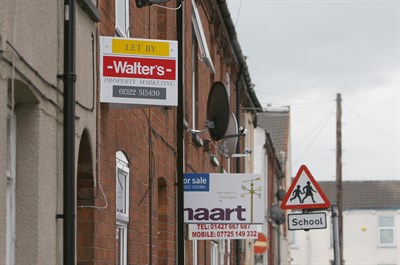
 More than four in ten letting agents and landlords fear the impact of the government’s new rental property database, according to new research.
The findings coincide with fresh government guidance on mandatory landlord registration, just a day after the chancellor John Healy announced further tax increases on rental income.
Goodlord’s latest State of the Lettings Industry report found that 43% of letting agents expect the database to have a negative impact. Some 42% of landlords share those concerns.
The research, involving more than 3,000 agents, landlords and tenants, also reveals growing pressure on rental supply.
More than a quarter of landlords (27%) are reducing their portfolios or have done so over the past year.
Among those cutting their holdings or preparing to leave, 65% cite the Renters’ Rights Act as their main reason.
The findings add to concerns raised by property professionals following yesterday’s Budget. Industry commentators have warned that higher taxes could encourage more landlords to sell, potentially pushing rents higher.
Agents report falling rental supply
Half of letting agents (50%) report a decline in available rental properties. Meanwhile, 45% say tenant enquiries are increasing.
The survey also suggests landlords are becoming more selective about prospective tenants.
More than a quarter (26%) say they are now more likely to reject applicants they would previously have accepted.
Almost a third (31%) would rather leave a property empty while waiting for a lower-risk tenant.
And 33% are more cautious about applicants with poor credit histories, limited rental records or County Court Judgments.
The changes follow restrictions on rent in advance under the Renters’ Rights Act.
Some 59% of agents say those restrictions have had a negative impact.
More than half (57%) also report an increased risk of unexpected tenant departures and void periods.
Landlord database adds to concerns
The government yesterday published guidance explaining how landlords and letting agents must prepare for mandatory rental property registration.
The system will launch in the West Midlands on 15 December, before expanding across England throughout 2027.
Landlords will be responsible for registering their properties and paying an annual fee. Agents can submit certain information on their behalf.
The guidance also introduces 28-day deadlines for submitting and updating required property information.
Against this backdrop, Goodlord’s findings suggest significant concern about the additional requirements.
Some 43% of agents and 42% of landlords expect the database to have a negative impact.
Tenants face financial pressure
The report also highlights the financial vulnerability of many renters.
More than half (53%) spend over 30% of their take-home income on rent.
Another 54% have less than £500 in accessible savings or investments.
More than a third (35%) say a significant rent increase would cause them financial distress.
The findings come amid warnings that the latest landlord tax increases could lead some investors to raise rents or leave the sector.
However, the survey also reveals improvements in tenant confidence.
Some 77% of renters say they feel secure in their tenancy, while optimism has risen from 20% last year to 37%.
Not all reforms have proved unpopular
Despite concerns about regulation, agents appear less pessimistic than a year ago.

The proportion expressing an overall negative outlook has fallen from 48% to 40%.
Changes to rules on pets have also proved less disruptive than many agents expected.
Last year, 49% anticipated negative consequences. This year, just 28% report a negative impact.
A further 20% say the changes have had a positive effect.
William Reeve, chief executive of Goodlord, said: “This year’s survey, our biggest to date, comes just six months after the Renters’ Rights Act became effective. Overall, the industry is clearly more comfortable with the devil they know: sentiment is up compared to last year and some changes have been less disruptive than feared. The market prefers knowing where it stands.
“However, old issues continue to dog the PRS and new challenges are also emerging. Landlords leaving, rising demand and squeezed supply, and high rents are putting huge pressure on all stakeholders. And the unintended consequences of the RRA are adding to this burden; unwittingly making it harder for certain tenants to get their foot through the door.”







Comments (6)
What’s next Landlord profiling, dna or compulsory tracker wearing???
Bureaucracy gone mad and possibly with more to come!
This government (if you can call it that) seems determined to bring us back to the dark ages. Remember regulated and statutory tenancies with rent control ? I can envisage this returning, all of which will lead to a further big decline and a shortage of rental stock, as it really would not be appealing for landlords to invest – well at least until the property could be bought for a fraction of it’s VP value (25/30% was the norm) when some hope value could be achieved.
Don’t forget the EPC demands.
Sadly, another clear example of those in government not having clue about the dynamics of the industry. Te biggest losers will be the people they say they want to protect; tenants, when they have to pay significantly more for their rental as the supply of properties to rent shrinks. But I doubt we, the industry, has any power to change the Government’s mind, so we need to get going and “manage’ whatever comes as positively and supportively as possible for the good of our landlords, tenants and our own revenue stream,
More duplication just because Mayor Burnham wants it. Fear not, Mayor, the PRS landlords have got the message loud and clear. Unlike the nasty, greedy landlords he believes we are, the majority are not getting rid of their tenants, BUT once tenants leave, the property will be sold.
The LL database is yet another trigger for them to sell. I thought the exodus would stop after May 1st, but it continues.