



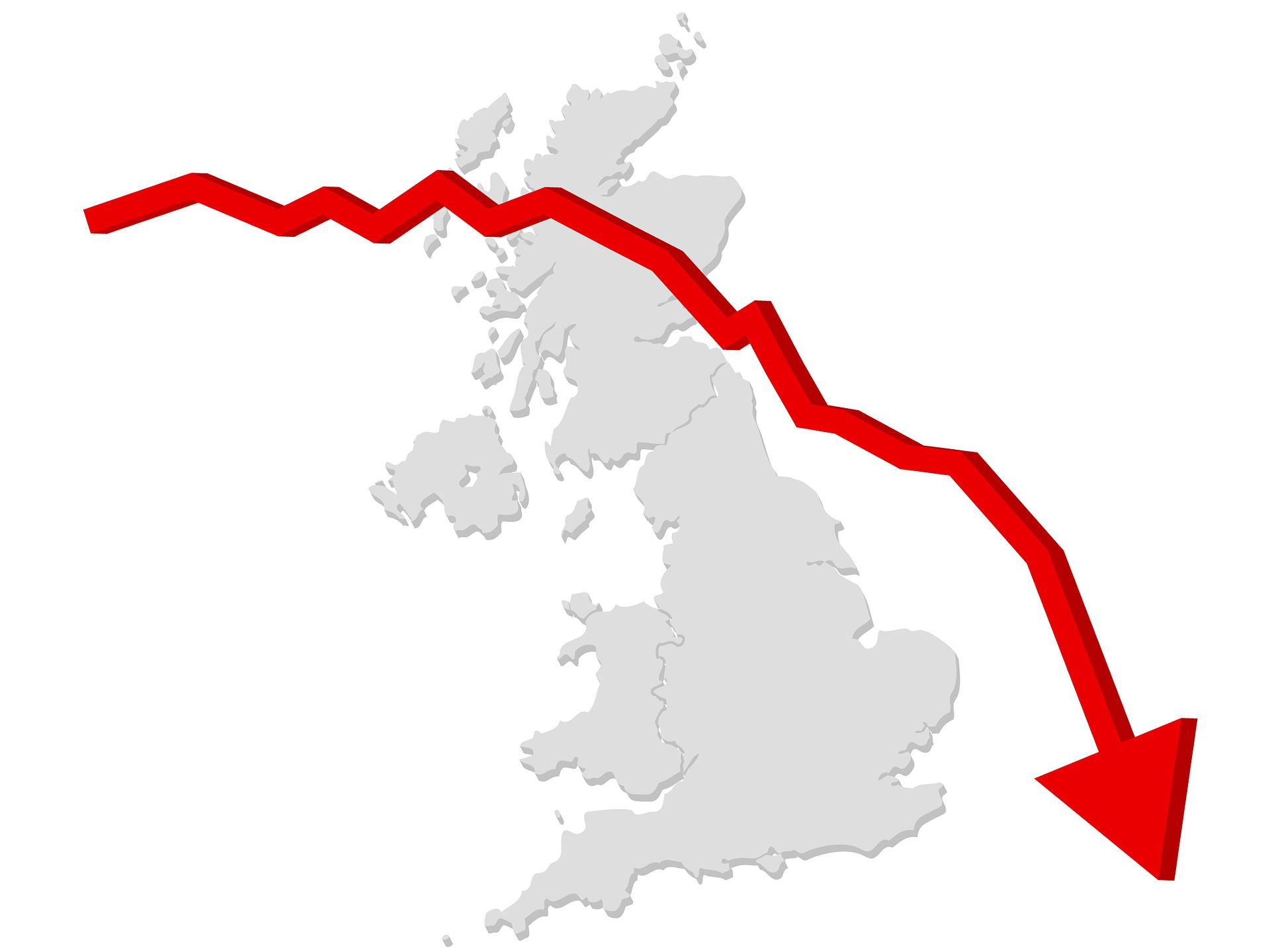
 The latest data from the Halifax House Price Index indicates the UK housing market is losing momentum. House prices fell an estimated 0.5% in March, following a 0.3% rise in February, leaving annual growth at just 0.8%. Hopes of a stronger rebound this year have been undermined by the ongoing conflict in the Middle East.
Mortgage rates are climbing again, driven by global uncertainty, geopolitical risk, and rising inflation. Higher UK bond yields and expectations that the Bank of England will maintain elevated interest rates mean buyers face increased costs for both variable and fixed-rate mortgages. Even with the possibility of a ceasefire, economic effects are already shaping the market.
With UK housing demand highly sensitive to borrowing costs, rising rates are quickly reducing purchasing power. Combined with persistent inflation, affordability pressures are emerging as a key factor weighing on house prices, threatening the gradual recovery seen at the start of the year.
Industry views:
Iain McKenzie, CEO of The Guild of Property Professionals: “The marginal decline in house prices reflects the cautious mood that is beginning to take hold among some buyers. With borrowing costs rising and inflation remaining stubbornly above target, many households are reassessing their budgets and delaying decisions.
“At the same time, the supply of homes for sale has reached an 11-year high, intensifying competition among sellers. In this environment, pricing strategy is absolutely critical, as overpricing is far more likely to result in prolonged time on the market or price reductions.
“That said, the picture is far from one of collapse. Sales agreed remain relatively stable and transaction levels had been improving earlier in the year, indicating there is still a core of committed buyers. While forecasts still suggest modest growth over the medium term, the risk of weaker-than-expected performance has increased as economic uncertainty builds.”
Nathan Emerson, CEO of Propertymark: “We are at an important intersection where we must clearly acknowledge future challenges ahead. We started the year with positivity in terms of seeing an uplift in the average number of viewings per available property, coupled with general consumer positivity regarding affordability.
“However, a lot has changed in a short space of time, with numerous sub 4% mortgage deals being withdrawn over the last few weeks as the wider economy adjusts to potential uncertainties.
“Inflation is expected to increase over the coming months and this is likely to have an immediate effect on consumer affordability. The rate of inflation will also play intense influence on the Bank of England regarding base rate decisions over the forthcoming months too. In addition, we are also due to see OFGEM make their next decision regarding energy price caps late next month, which again should be highly considered regarding household affordability as the year plays out.”
Tom Bill, head of UK residential research at Knight Frank: “What goes up must come down, but for mortgage rates the drop will be more gradual than the sharp increase triggered by the Middle East conflict, even if the two-week ceasefire deal holds. Sentiment in the housing market will improve if the war stops, but its longer-term inflationary impact and weaker demand for UK government debt due its tight financial headroom and apparent inability to cut spending means mortgage rates won’t snap back to where they were in February. This will keep demand and house prices in check this year.”
Jeremy Leaf, north London estate agent: “Activity picked up encouragingly earlier this year but was stopped in its tracks when it became apparent that fallout from war in the Middle East would be more long-lasting than previously feared.
“Many buyers have been supported by mortgage offers obtained before hostilities started so have been able to take advantage of sellers’ lower expectations. This survey form the country’s largest lender confirms what we have seen on the ground –that some of the less-committed have paused while the more serious are negotiating hard so we are only seeing a wobble not a more serious dip in prices.
“However, even if the conflict ends soon, inflation and mortgage rates driven up by oil price rises are likely to persist for a while at least.”
Jason Tebb, president of OnTheMarket: “The momentum created by several interest rate reductions over the past year and a half, combined with post-Budget clarity, continues to be in evidence on the ground, with needs-driven buyers and sellers who have put moves on hold focused on transacting.
With further rate reductions on hold for the short term at least, and the threat of rate rises a concern the longer the conflict in the Middle East continues, those with competitive mortgage offers are keen to proceed before rates edge higher.
While much depends on the length of the conflict and its wider implications for the economy, for now the housing market’s resilience in the face of political and economic uncertainty is apparent as life events will always prompt people to move, whether that’s upsizing, downsizing or relocating.”

Comments are closed.