



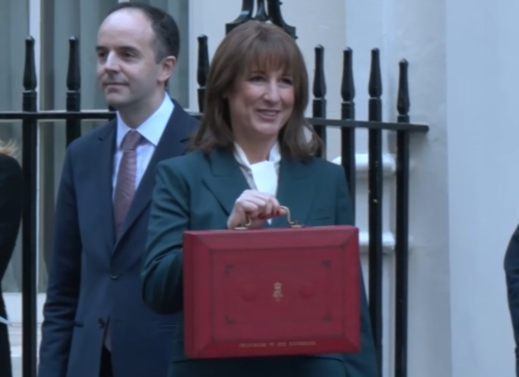
The introduction of a high value council tax surcharge, otherwise known as the “mansion tax”, was one of the most notable property measures announced by the chancellor Rachel Reeves in the Autumn Budget last November. From April 2028, residential properties in England valued at more than £2m will face an additional annual charge alongside standard council tax.
Although the surcharge has not yet come into force, it is already influencing parts of the property market, particularly in London and the South East where most affected homes are located. Homeowners, buyers and sellers are beginning to factor the potential cost into pricing decisions, valuations and transaction negotiations.
The policy is also prompting questions about how properties will be assessed and whether valuations can be challenged, as uncertainty around future thresholds and possible extensions of the tax continues to shape market behaviour.
Looking at the South East, for instance, picture is more nuanced, according to Alison Kinnersley, Partner, Solicitor and head of residential property at Parfitt Cresswell Solicitors, who tells EYE that while listings remain high, with many sellers bringing property to market in anticipation of improved conditions, buyer demand is not as strong.
Looking specifically at the mansion tax and the impact it is having on the housing market in this region, Kinnersley explained: “Although the surcharge is not yet in force, its impact is already being felt, particularly in London and the South East, where the vast majority of affected properties are located.
“For many homeowners, the issue is not luxury living, but long-term ownership in areas that have experienced sustained price growth over several decades.”
She continued: “Many of our clients in the South East are asset-rich but cash-poor. This is particularly true for older homeowners who may have purchased modest family homes years ago, only to find that rising values have pushed them above the £2m threshold without any corresponding increase in income.”
Parfitt Cresswell Solicitors has seen a notable increase in enquiries from such homeowners, keen to understand how valuations will be determined and what options may be available to challenge them.
Kinnersley continued: “The prospect of the mansion tax is influencing buyer and seller behaviour. We’re seeing increased activity just below the £2m threshold, as buyers seek to avoid the surcharge and sellers attempt to price competitively to maintain interest. This has created price sensitivity and bunching.
“There is also evidence that the tax is being priced into negotiations. Buyers are factoring anticipated future costs into offers, while sellers are having to adjust expectations accordingly. From a legal perspective, this has added complexity to conveyancing transactions.”
Kinnersley also told EYE that there has been a renewed focus on valuation methodology in recent weeks. “Clients are increasingly concerned about how the Valuation Office Agency will assess properties for surcharge purposes and whether formal appeals will be viable.”
There is speculation that the mansion tax could be extended by the government. Thresholds could be reviewed or additional bands introduced if revenue targets are not met or fiscal pressures increase.
Kinnersley added: “This worry means that some sellers remain hesitant, choosing to delay decisions until there is greater certainty, while others are opting to proceed now to avoid the risk of more onerous measures later. Conversely, well-advised buyers are beginning to see opportunity, particularly where pricing has softened as a result of tax-driven caution.
“As 2026 unfolds, it’s clear that property decisions in the South East [and other areas affected by the mansion tax] are increasingly shaped by wider financial and tax considerations. For many homeowners and investors, buying or selling property now sits alongside questions of succession planning, tax exposure and long-term wealth management.
“In this context, the distinction between conveyancing and broader private legal advice is becoming less clear, reflecting the more complex environment in which property decisions are being made.”

Comments are closed.