



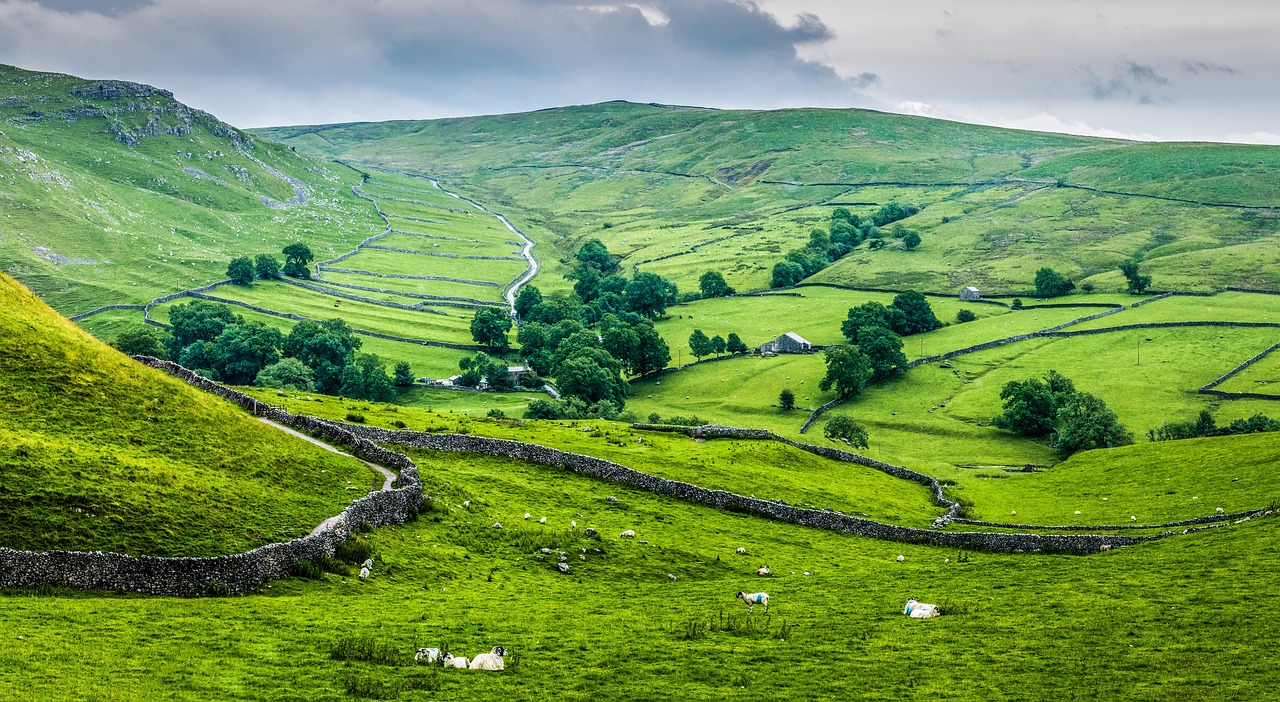
 The government’s ‘grey belt’ policy is paving the way for large-scale development on England’s unspoilt rural landscapes – not, as ministers promised, unused car parks and derelict petrol stations, new research from CPRE, the countryside charity, has revealed.
Since the policy was introduced in December 2024, 13 developments of ten or more homes have been approved by government planning inspectors on ‘grey belt’ land in the Green Belt.
Of the 1,250 homes these schemes will deliver, 88% will be built on previously undeveloped countryside. These developments make up more than 90% of homes granted planning permission on ‘grey belt’ sites by inspectors. A further 21 smaller schemes, totalling no more than 91 homes, comprise the remainder.
In December 2024, when the policy was introduced, the CBRE highlights that government gave ‘disused petrol stations’ and ‘abandoned car parks’ as examples of sites in the Green Belt that could be considered ‘grey belt’ and released for development.
In April 2024, Sir Keir Starmer described ‘grey belt’ land as ‘poor-quality scrubland, mothballed on the outskirts of town’, as well as previously developed land such as disused petrol stations and car parks. The CBRE points out that he promised: “We’ll prioritise ugly, disused grey belt land, and set tough new conditions for releasing that land.”
Earlier this year, other CPRE research demonstrated that there is enough previously developed land in England for 1.4 million new homes, of which almost half have already been granted planning permission.
The CBRE says that thsi shows that the government can move quickly towards its UK-wide target of 1.5 million new homes with limited development on unspoilt countryside. It argues that targeting the Green Belt is a choice, not a necessity.
CPRE is urging the government to amend its definition of the ‘grey belt’ so that development is allowed only on previously developed land. It is also calling for strong protection for high-quality farmland and important wildlife habitats, ensuring they are not lost to construction. In addition, CPRE wants the government to set ambitious, legally binding targets for delivering genuinely affordable and socially rented homes in all new developments, with clear accountability for developers if these homes are not provided.
CPRE chief executive, Roger Mortlock, said: “In practice, the government’s “grey belt” policy has not been about building on petrol stations but an existential threat to the protections of the Green Belt.
“Our latest research shows that the policy is vague, subjective and misleading to the public. Its lack of clarity has been good news for large housebuilders but bad news for everyone who loves the countryside.
“We know from CPRE branches across the country that the situation is getting worse, as local authorities are so desperate to meet revised housing targets that they are forced to approve speculative development in the Green Belt.”
CPRE policy lead, Emma Marrington, commented: ”The Green Belt is the countryside next door for almost 30 million people in this country. As well as having some of the country’s best-quality farmland and most important wildlife habitats, these places around our largest towns and cities play a vital role in helping to deliver the government’s target of 30% of land protected for nature by 2030.
“We’ve got to stand up for England’s Green Belt. Once it’s lost, it’s lost for good.”

Comments are closed.