



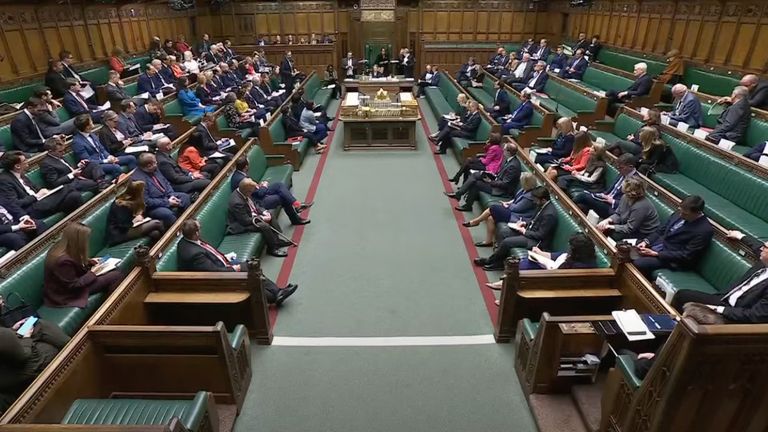
The Conservatives used an Opposition Day debate in the House of Commons yesterday to renew their pledge to abolish stamp duty and call on the Treasury to outline plans to get the housing market moving.
Conservative Shadow Chancellor Sir Mel Stride said the government could do much more to boost property transactions, describing stamp duty reform as central to that aim.
He told MPs: “We know that we need to have responsible tax cuts. That means they need to be funded and they need to lean into growth, and that is why we have announced that, were we in government, we would be abolishing stamp duty on primary residences.”
Sir Mel called stamp duty “one of the worst taxes in our tax system”, arguing that it “stands in the way of younger people getting onto the housing ladder”. Citing former Institute for Fiscal Studies director Paul Johnson, he said the levy “gums up” the housing market by discouraging people from moving for work or better opportunities.
However, chief secretary to the Treasury James Murray dismissed the proposal as “half-baked”, comparing it to policies introduced under former prime minister Liz Truss. He noted that stamp duty raised around £13.9bn for the Treasury in 2024–25.
Murray acknowledged that stamp duty was unpopular but said it would be for chancellor Rachel Reeves to set out her tax and spending plans in the Budget on 26 November.
Liberal Democrat deputy leader Daisy Cooper also described stamp duty as having “all the hallmarks of a bad tax”, but said it generated significant revenue that would need to be replaced elsewhere.
In England, buyers pay stamp duty on homes costing more than £125,000, with rates starting at 2%, while first-time buyers are exempt up to £300,000 and receive relief on purchases up to £500,000.
The Conservative motion called on the government to reduce public spending to fund the abolition of stamp duty land tax on primary residences purchased by UK residents. MPs rejected the proposal by 329 votes to 103, a majority of 226.
Rachel Reeves urged to match Kemi Badenoch by cutting stamp duty in Budget

Comments are closed.